 Skip to content
 A noninvasive, medication-free option that helps regulate the brain circuits tied to mood and anxiety—without sedation or downtime.
(for specific indications)
TMS candidacy and treatment plan are determined by a clinical evaluation.
Transcranial Magnetic Stimulation (TMS) is a noninvasive therapy that uses targeted magnetic pulses to stimulate specific brain regions involved in mood, motivation, and anxiety regulation. Unlike medication, TMS is localized—meaning it works directly on neural circuits rather than creating full-body side effects. Many patients can return to normal activities immediately after each session.
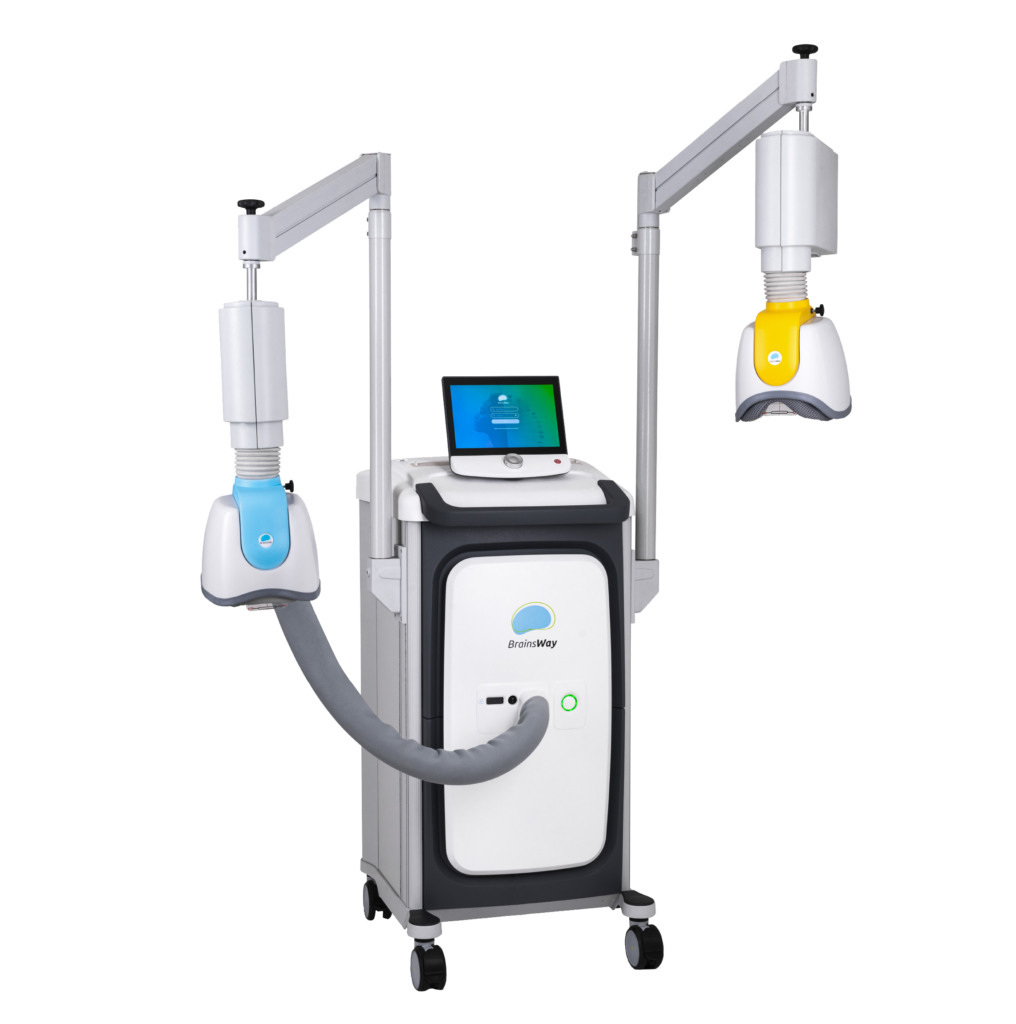
At AriseVida Care, we focus on treatments that are practical, evidence-based, and built for real life. BrainsWay Deep TMS uses advanced coil technology designed to reach deeper and broader areas of targeted brain networks—supporting outcomes while keeping sessions comfortable and time-efficient.
TMS may be a strong fit if symptoms are persistent, medication hasn’t helped enough, side effects are a barrier, or you want a non-drug option as part of a larger care plan.
Not sure if you qualify? Schedule a consultation—we’ll review your history, symptoms, and goals.
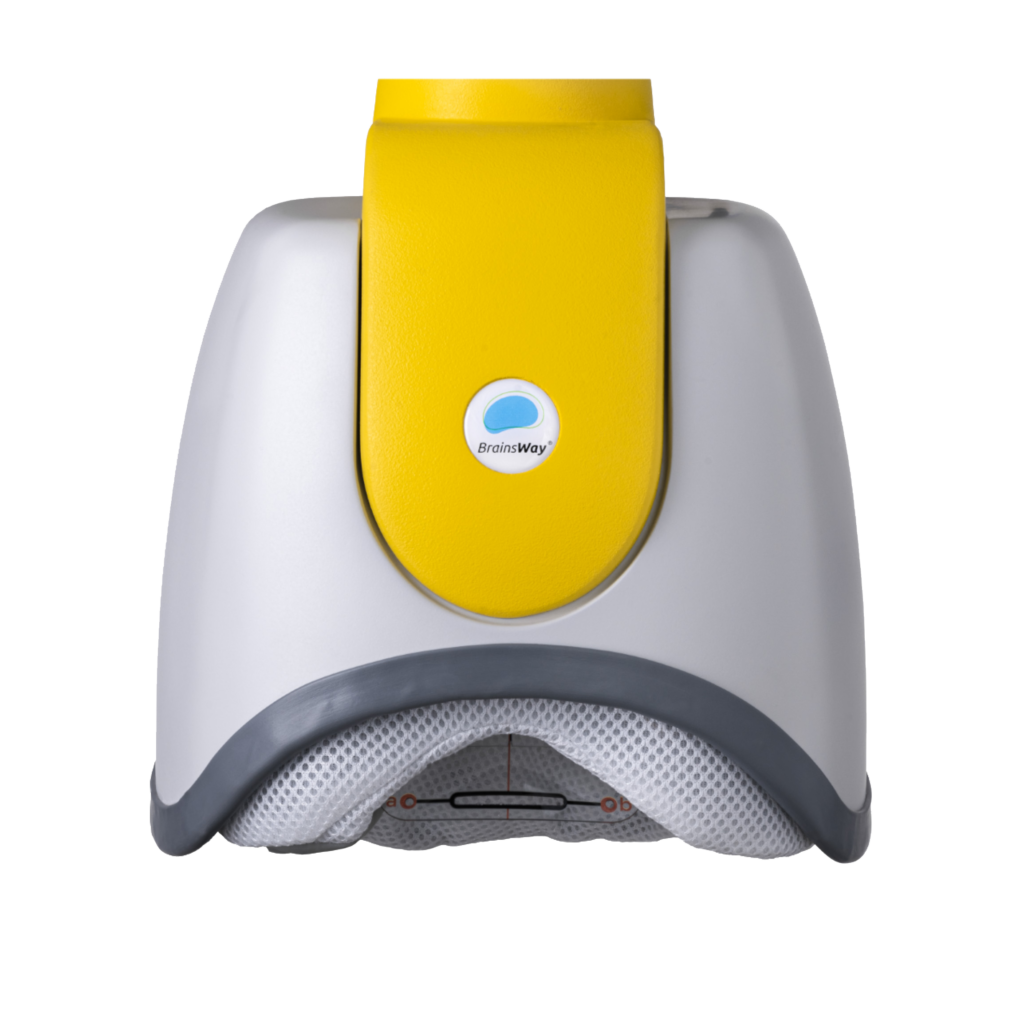
Your clinician selects the helmet and protocol based on your evaluation, diagnosis, and treatment history—so care stays personalized and precise.
Focused Treatment for Depression & Anxiety

Deeper Treatment for OCD & Complex Symptoms
AriseVida Care offers three FDA-approved medications, each with its own benefits. Explore the right fit for your recovery:
You’ll sit comfortably in a chair while a trained staff member positions the helmet.
You’ll hear clicking sounds and feel a tapping sensation on the scalp.
Sessions are typically short, and most people drive themselves home and return to normal routines right after.
Your plan is structured across multiple sessions to build momentum over time.
AriseVida Care delivers outcomes that set us apart:
We accept most insurance plans and AHCCCS for many services. Coverage for TMS can vary by plan and medical criteria. Our team will verify benefits and walk you through authorization steps if needed—so you know what to expect before treatment begins.








Transcranial Magnetic Stimulation (TMS) is a noninvasive treatment that uses magnetic pulses to stimulate specific areas of the brain involved in mood regulation. BrainsWay Deep TMS is designed to reach deeper brain structures associated with depression and other mental health conditions, without medication or anesthesia.
TMS is generally well tolerated. Most patients experience a tapping or knocking sensation on the scalp during treatment. Any discomfort is typically mild and often decreases after the first few sessions.
Each session typically lasts about 20 minutes. Patients remain fully awake and alert and can return to normal activities immediately after treatment.
Most treatment plans involve daily sessions, Monday through Friday, for approximately 4 to 6 weeks. The exact number of sessions will depend on your individual treatment plan and clinical progress.
Yes. TMS is commonly used alongside psychiatric medications and psychotherapy as part of a comprehensive treatment approach.
Deep TMS is used to treat major depressive disorder, including treatment resistant depression, as well as obsessive compulsive disorder in appropriate candidates. Many patients also experience improvement in co-occurring anxiety symptoms as part of their treatment.
No. TMS does not require recovery time. Patients can typically return to work, school, or daily activities immediately after each session.
Qualification begins with a consultation and clinical evaluation. Our team will review your symptoms, treatment history, and overall health to determine whether TMS is an appropriate option for you.
Insurance coverage varies by plan and medical criteria. Many major insurance providers, including Medicare, cover BrainsWay Deep TMS for treatment resistant depression. Our team will assist with benefits verification prior to starting treatment.
If depression, OCD, or anxiety symptoms are interfering with your life, we’re here with options that are structured, evidence-based, and built around you.
Your insurance may pay for up to 100% of your treatment.








 Optimized by Seraphinite Accelerator