

Now accepting new patients · Most major insurance accepted · Confidential 24/7 admissions text line
Deep TMS therapy · Non-invasive mental health treatment

Deep TMS therapy for targeted support.

AriseVida Care’s Deep TMS Therapy uses advanced, non-invasive brain stimulation to support adults struggling with depression, OCD, and certain mental health symptoms when clinically appropriate.

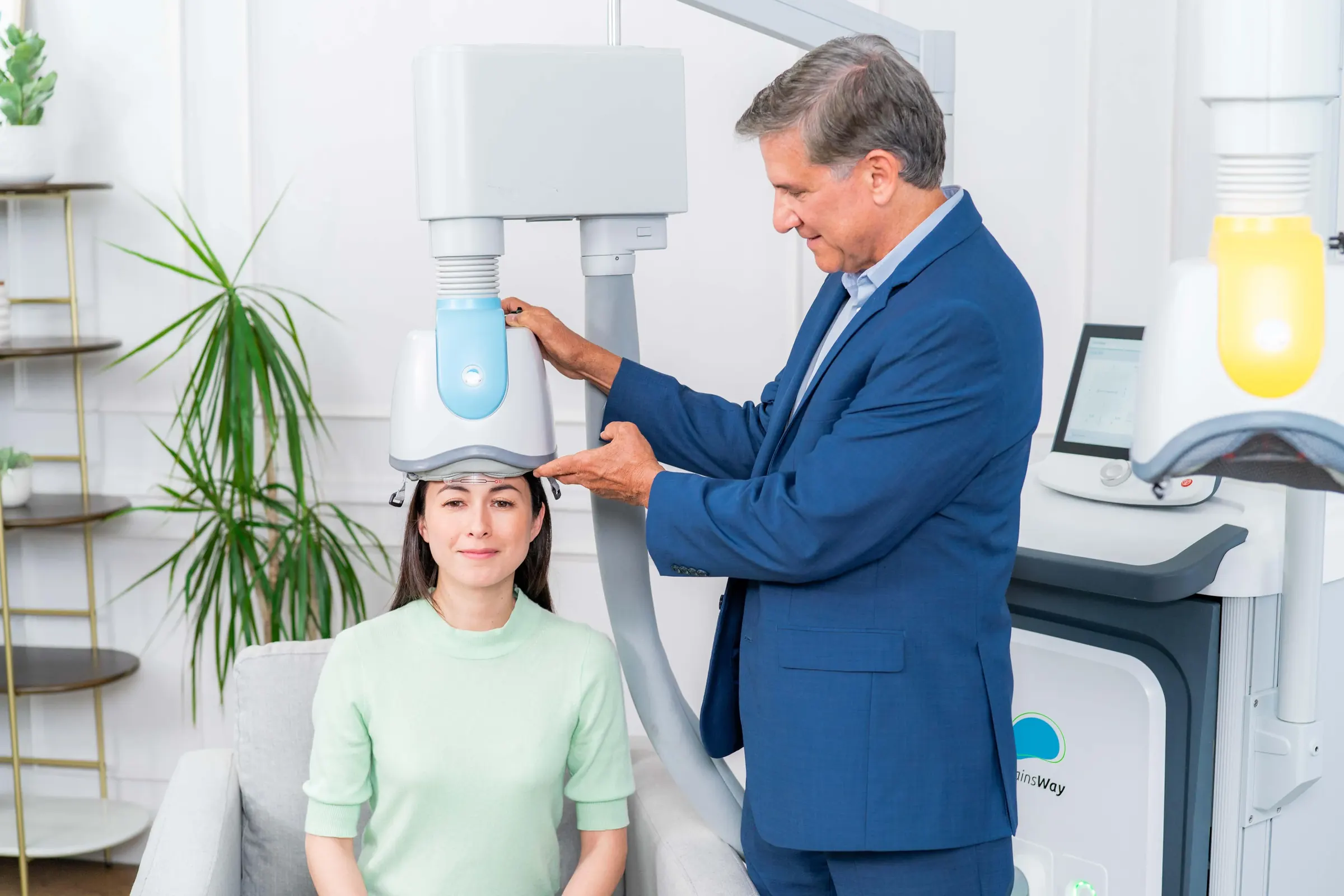
A patient receiving Deep TMS therapy in a calm clinical setting at AriseVida Care.
Advanced & non-invasive

What is Deep TMS therapy?

Deep TMS therapy is a non-invasive treatment that uses advanced magnetic stimulation to help support targeted areas of the brain involved in mood, regulation, and certain mental health symptoms.

At AriseVida Care, Deep TMS may be considered for adults struggling with depression, OCD, or related symptoms when clinically appropriate. Treatment decisions are made through clinical review, medical guidance, and each patient’s individual needs.

  • Non-invasive treatment — no surgery or sedation.
  • Designed for targeted brain stimulation in specific symptom areas.
  • Considered only when clinically appropriate for each patient.
  • Supports depression and OCD treatment pathways.
  • Coordinated with your overall psychiatric and recovery care.
A seated patient wearing a BrainsWay Deep TMS helmet during a clinical session at AriseVida Care.
Advanced Deep TMS technology

Why BrainsWay
Deep TMS?

AriseVida Care uses BrainsWay Deep TMS as part of our advanced mental health treatment options. BrainsWay Deep TMS is a non-invasive technology designed to stimulate targeted brain networks involved in mood regulation and certain psychiatric symptoms.

Unlike traditional approaches that rely only on medication or talk therapy, Deep TMS may provide another option for adults who continue to struggle with depression, OCD, or related symptoms when clinically appropriate.

At AriseVida Care, treatment decisions are made through clinical review, medical guidance, and each patient’s individual needs.

  • FDA-cleared technology for select psychiatric treatment pathways.
  • Non-invasive treatment with no surgery required.
  • Designed to stimulate deeper and broader brain regions.
  • May support depression and OCD treatment plans when clinically appropriate.
  • Integrated with psychiatric care, counseling, and recovery support.
Who it may help

Who is Deep TMS therapy for?

Deep TMS therapy may be considered for adults experiencing depression, OCD, or certain mental health symptoms when clinically appropriate. Treatment decisions are made through clinical review, medical guidance, and each patient’s individual needs.

  • Depression symptoms are not improving.

    For adults who continue to experience low mood, low motivation, loss of interest, or emotional heaviness despite ongoing support.

  • OCD symptoms are affecting daily life.

    For adults experiencing obsessive thoughts, compulsive behaviors, or repeated distressing patterns that interfere with daily functioning.

  • Medication alone has not been enough.

    Deep TMS may be considered when traditional treatment approaches have not provided the level of support a patient needs.

  • You want a non-invasive option.

    Deep TMS does not require surgery or sedation and may provide another treatment pathway when clinically appropriate.

  • You need support alongside psychiatric care.

    Deep TMS can be coordinated with psychiatric services, counseling, medication management, and ongoing clinical follow-up.

  • You are looking for targeted mental health support.

    Deep TMS is designed to stimulate targeted brain networks involved in mood regulation and certain psychiatric symptoms.

Our technology

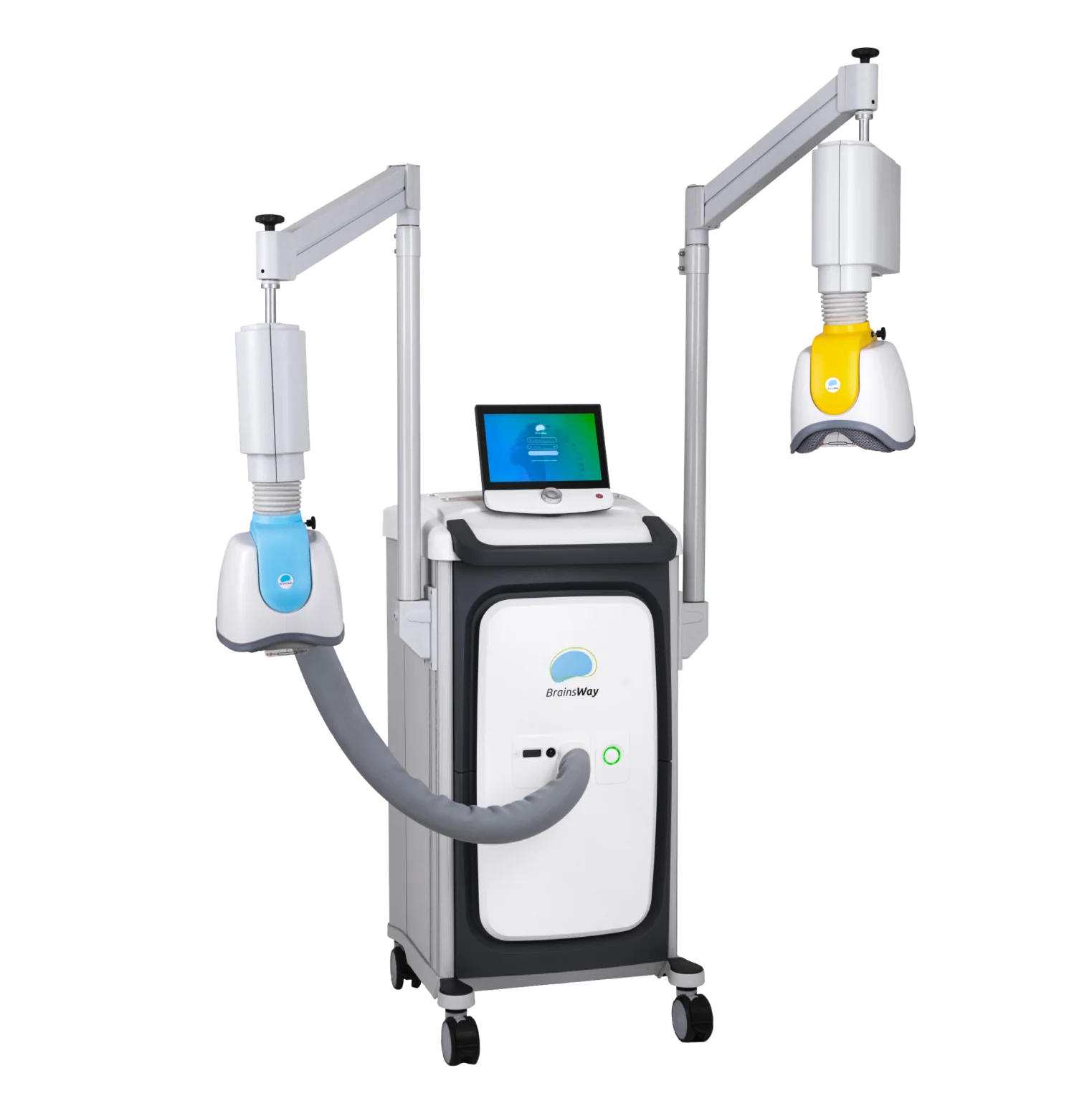
Our BrainsWay helmets (coils)
— what they do

Your clinician selects the helmet and protocol based on your evaluation, diagnosis, treatment history, and clinical needs — so care stays personalized and precise.

H1 Helmet

Focused treatment for depression and anxiety symptoms.
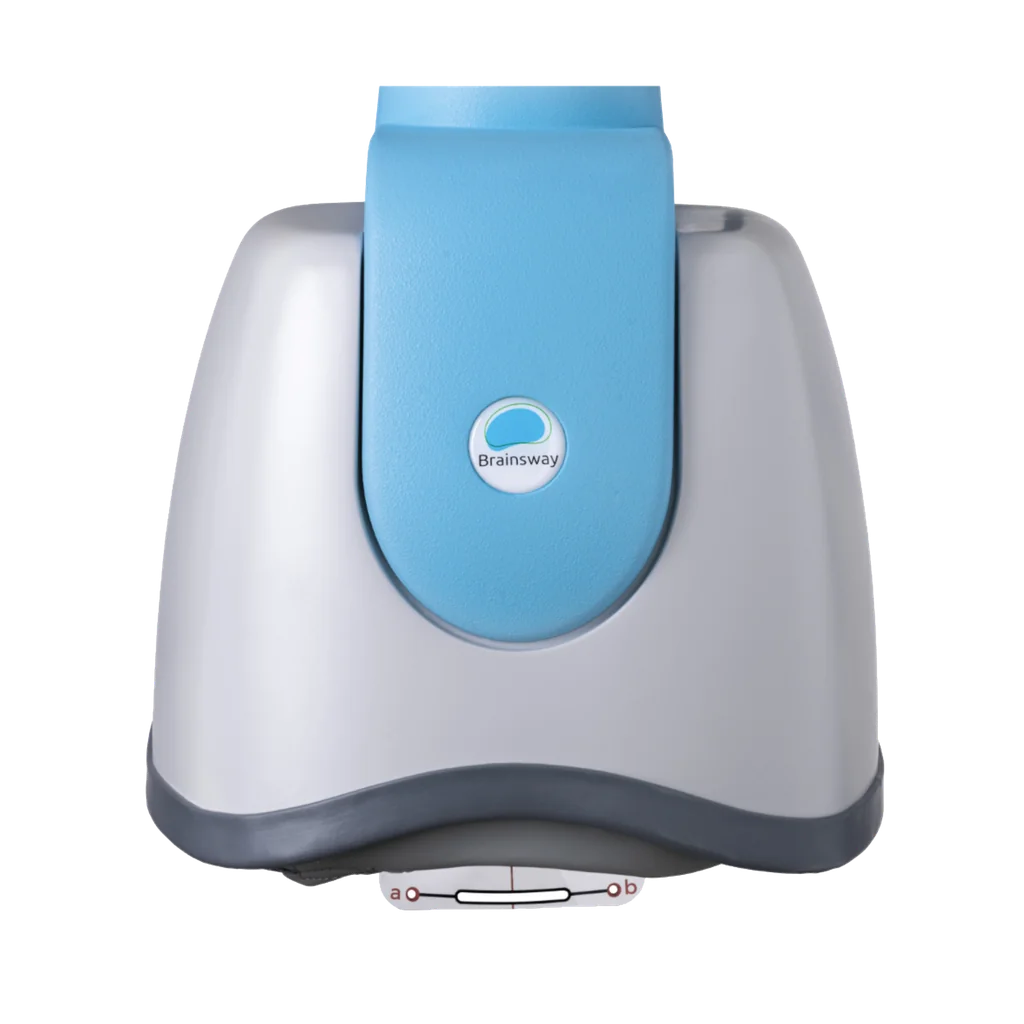
BrainsWay H1 Deep TMS helmet — focused treatment for depression and anxiety.
  • Designed to deliver targeted stimulation to specific areas of the brain involved in mood regulation.
  • Most commonly used to treat depression, including depression with anxiety symptoms.
  • Allows treatment to be personalized based on each patient’s clinical needs.
  • Comfortable, non-invasive design used during daily treatment sessions.
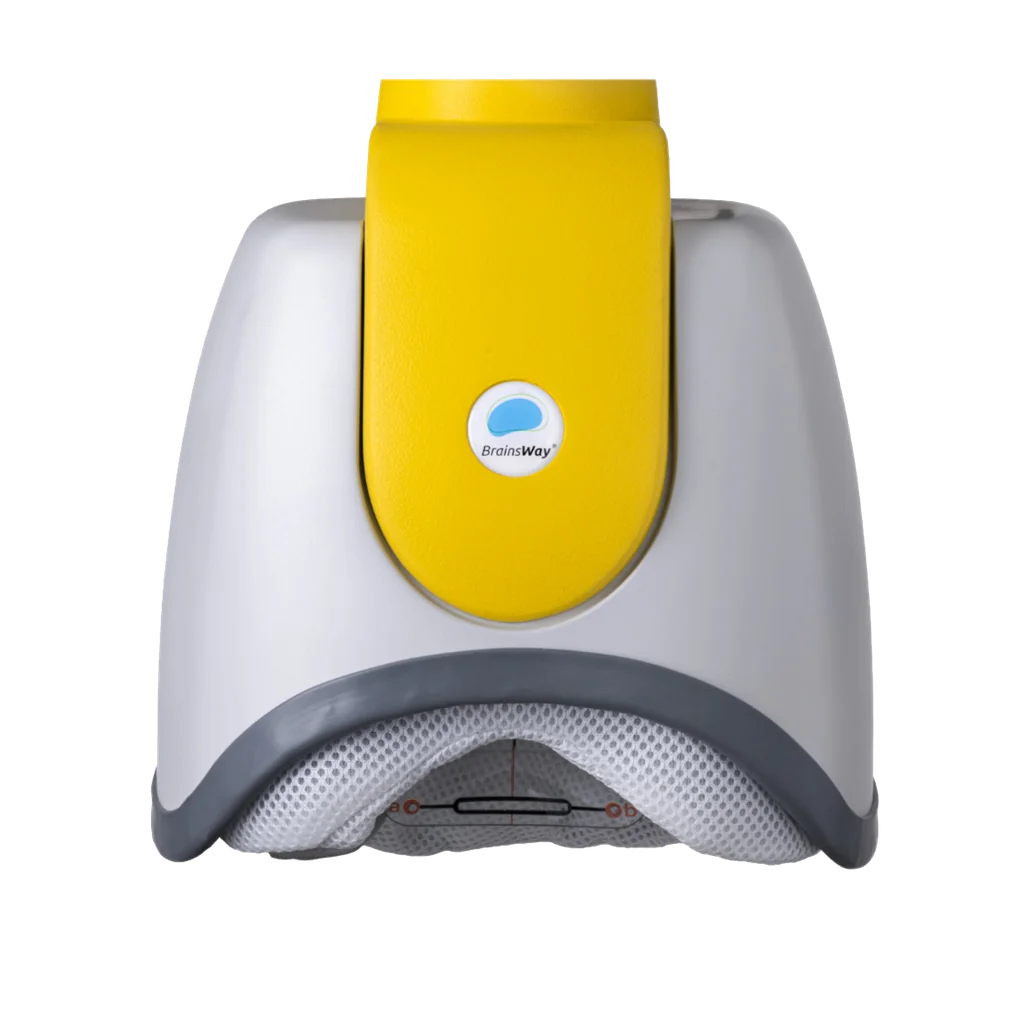
H7 Helmet

Deeper treatment for OCD and complex symptoms.

BrainsWay H7 Deep TMS helmet — deeper treatment for OCD and complex symptoms.
  • Designed to reach deeper and broader brain regions involved in thought patterns and emotional processing.
  • Most commonly used to treat obsessive-compulsive disorder (OCD).
  • May also be used for depression when broader or deeper stimulation is clinically appropriate.
  • Provides deeper therapeutic stimulation while remaining comfortable and non-invasive.
The patient experience

What to expect during
Deep TMS therapy?

Deep TMS sessions are structured, non-invasive, and guided by trained staff. Your care team will walk you through each step so treatment feels clear, comfortable, and easy to understand.

A smiling patient wearing the BrainsWay yellow H7 Deep TMS helmet while a trained AriseVida Care clinician guides the session in the background. Guided by trained staff
  1. You’ll sit comfortably while a trained staff member positions the helmet.

  2. You may hear clicking sounds and feel a tapping sensation on the scalp.

  3. Sessions are typically short, and many patients return to normal routines afterward.

  4. Your treatment plan is structured across multiple sessions to build progress over time.

Is Deep TMS right for you?

Could Deep TMS be a strong next step?

Deep TMS may be considered for adults with depression, OCD, or related symptoms when clinically appropriate. This section helps you understand what Deep TMS may support — and what Deep TMS is not intended to be.

01 What it may help with

Deep TMS may help when

  • Depression symptoms continue despite ongoing support.
  • OCD symptoms are interfering with daily life.
  • Medication alone has not provided enough relief.
  • You want a non-invasive treatment option.
  • You are looking for structured treatment over time.
  • You want care that can work alongside psychiatric support.
02 What it is not

Deep TMS is not

  • Not surgery.
  • Not sedation.
  • Not a one-time instant fix.
  • Not meant to replace emergency or crisis care.
  • Not a guaranteed outcome.
  • Not separate from clinical review and guidance.
How treatment works

How Deep TMS treatment works at AriseVida Care.

Deep TMS treatment follows a structured process designed to help patients understand their options, prepare for treatment, and stay supported through each step of care.

  1. Consultation and eligibility review

    We begin by reviewing your symptoms, treatment history, goals, and clinical needs to determine whether Deep TMS may be appropriate.

  2. Insurance verification and scheduling

    Our team helps verify insurance, review next steps, and schedule treatment sessions when Deep TMS is clinically appropriate.

  3. Personalized protocol selection

    The care team selects the appropriate BrainsWay helmet, protocol, and treatment plan based on your evaluation and clinical needs.

  4. Comfort-first sessions with ongoing check-ins

    During treatment, trained staff help position the helmet, monitor comfort, and check in throughout scheduled sessions.

  5. Progress review and next-step planning

    Your care team reviews progress over time and discusses next steps based on your response, goals, and continued needs.

  6. Recovery for the long haul

    Deep TMS can be coordinated with psychiatric care, counseling, recovery support, and long-term planning when clinically appropriate.

Frequently asked questions

Deep TMS therapy FAQs.

  • Deep TMS therapy is a non-invasive treatment that uses magnetic stimulation to target brain networks involved in mood regulation and certain mental health symptoms. At AriseVida Care, Deep TMS may be considered when clinically appropriate after review by the care team.

  • Deep TMS may support treatment pathways for adults with depression, OCD, and related symptoms when clinically appropriate. Treatment decisions are based on clinical review, diagnosis, treatment history, and individual needs.

  • Many Deep TMS treatment plans involve multiple sessions over several weeks. The exact number of sessions depends on the condition being treated, the protocol selected, insurance requirements, and the patient’s clinical plan.

  • No. Deep TMS is non-invasive and does not require surgery, anesthesia, or sedation. Patients remain awake during the session.

  • Coverage depends on the patient’s insurance plan, diagnosis, medical necessity requirements, and authorization rules. AriseVida Care can help verify insurance and review next steps.

  • Getting started begins by contacting AriseVida Care. Our team can help with intake, insurance verification, eligibility review, scheduling, and determining whether Deep TMS may fit your care plan.

AriseVida Admissions Team

Here to help

Let’s talk about your next step.

Questions about care, insurance, or admissions? Our team can help.

Freeconfidentialno pressure

Most major insurance acceptedAdult outpatient care · Phoenix, AZ

Take the first step

Deep TMS Therapy starts with a conversation.

Deep TMS Therapy at AriseVida Care may support adults exploring non-invasive treatment options for depression or OCD-related care pathways when clinically appropriate and after clinical review.

100% confidential Most major insurance accepted Adult outpatient care · Phoenix, AZ