Alcohol cravings are affecting progress.
For adults with alcohol use disorder, naltrexone may help reduce cravings and support healthier choices in recovery.
CARF Accredited · Naltrexone Treatment
Naltrexone may help adults reduce opioid or alcohol cravings under medical supervision.
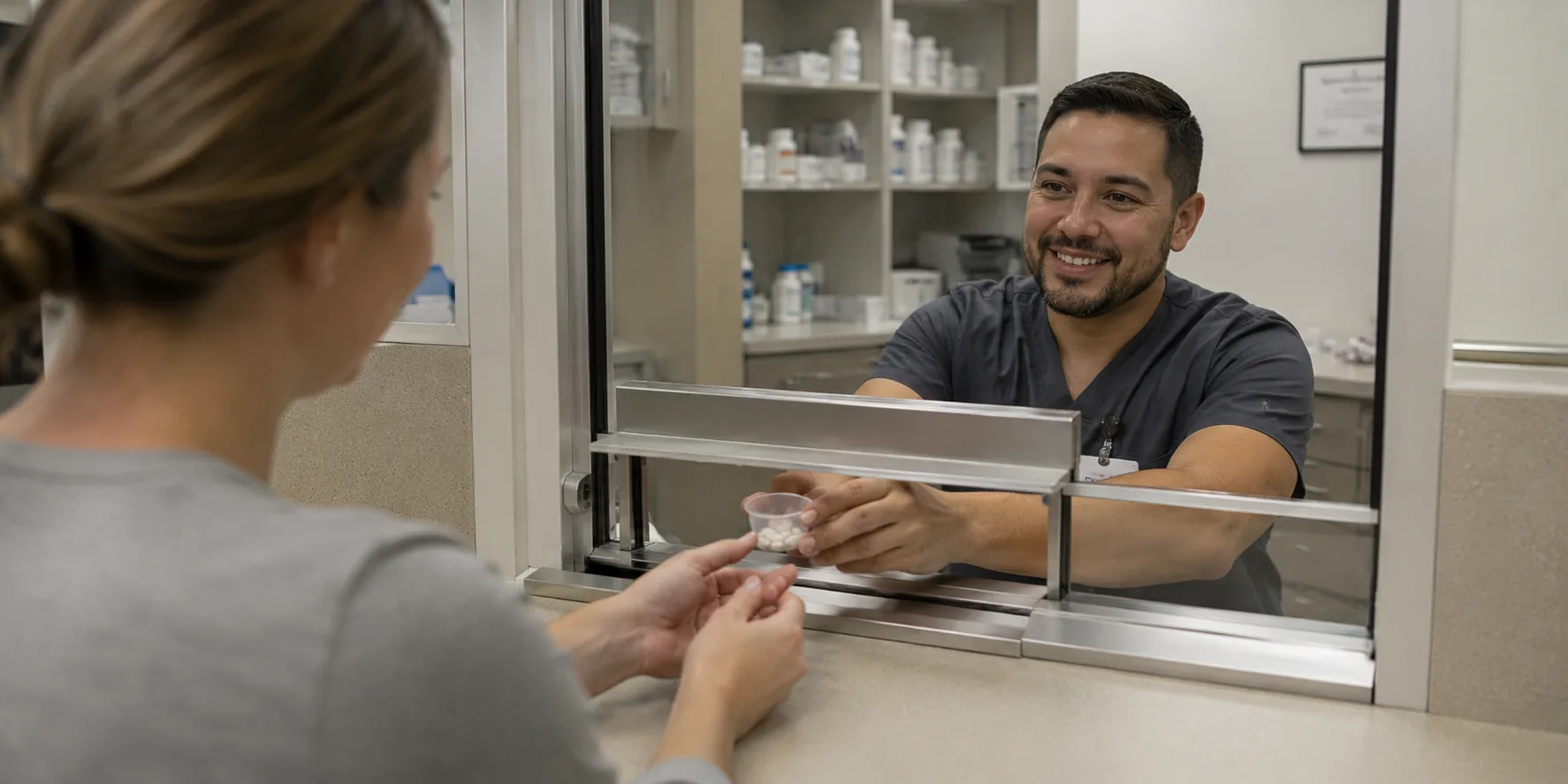
Naltrexone treatment may help adults with opioid or alcohol use disorder reduce cravings and prevent relapse through a non-opioid, medically supervised treatment plan.
What is naltrexone
A medically supervised MAT medication for opioid and alcohol use disorders.
FDA-approved naltrexone may help block opioid effects and reduce alcohol cravings under medical supervision.
For opioid-free adults, naltrexone may help block opioid effects, support relapse prevention, and encourage treatment engagement.
Naltrexone is one part of comprehensive care, often alongside counseling, group therapy, case management, and peer support.
Naltrexone is not an opioid replacement — an evidence-based option used under clinical supervision with regular review.
Naltrexone can be a valuable part of a comprehensive treatment and recovery plan.
Who it may help
For adults with alcohol or opioid use disorder when medical review supports starting safely.
For adults with alcohol use disorder, naltrexone may help reduce cravings and support healthier choices.
Naltrexone can be part of a relapse-prevention plan when cravings, triggers, or high-risk situations strain recovery.
When drinking continues despite consequences, naltrexone may support goals alongside counseling and monitoring.
For adults who have completed opioid withdrawal, naltrexone may offer added protection from returning to opioid use.
Not an opioid, naltrexone works differently than methadone or buprenorphine and may suit certain patients after medical review.
Naltrexone works best alongside counseling, group therapy, monitoring, case management, and a clear recovery plan.
Naltrexone can support craving reduction and relapse prevention alongside counseling, monitoring, and clinical care.
Naltrexone may support adults with alcohol use disorder or opioid use disorder when clinically appropriate. Treatment decisions are made through medical review, recovery goals, and readiness to begin safely.
For adults with alcohol use disorder, naltrexone may help reduce cravings and support healthier choices in recovery.
Naltrexone can be part of a relapse-prevention plan when cravings, triggers, or high-risk situations make recovery harder to maintain.
When alcohol use continues despite consequences, naltrexone may support treatment goals alongside counseling, monitoring, and recovery planning.
Naltrexone may support adults who have completed opioid withdrawal and want added protection from returning to opioid use.
Naltrexone is not an opioid. It works differently than methadone or buprenorphine and may be appropriate for certain patients after medical review.
Naltrexone works best when paired with counseling, group therapy, monitoring, case management, and a clear recovery plan.
Naltrexone treatment can help support craving reduction, relapse prevention, and recovery engagement while the care team provides counseling, monitoring, accountability, and ongoing clinical support.
Naltrexone treatment may help adults reduce alcohol cravings, lower relapse risk, and build the stability needed to stay connected to care and long-term recovery support.
Naltrexone may help lower alcohol cravings so patients can make steadier choices and stay more engaged in treatment and recovery support.
By helping reduce the urge to drink or use opioids, naltrexone may support recovery goals and help lower the risk of relapse.
For appropriate patients who have completed opioid detox, naltrexone may help support opioid-free recovery and healthier daily routines.
When cravings are better managed, patients may be more able to participate in counseling, group therapy, case management, and recovery planning.
Benefits of naltrexone treatment
It may ease alcohol cravings, lower relapse risk, and help you stay in care.
Four Ways Naltrexone May Help
Naltrexone may help lower alcohol cravings, supporting steadier choices and stronger engagement in treatment and recovery.
Helping ease the urge to drink or use opioids, naltrexone may support recovery goals and lower relapse risk.
For appropriate patients who have completed opioid detox, naltrexone may help support opioid-free recovery and healthier routines.
With cravings better managed, patients may participate more fully in counseling and recovery planning.
A guided, supportive path that begins with an assessment and continues through ongoing care, with the team alongside you at every step.
Patients meet with the care team for an evaluation to understand their substance use history, health needs, symptoms, and treatment goals.
A medical provider reviews whether naltrexone is appropriate and helps determine a safe treatment approach.
Naltrexone is provided through a structured outpatient program with monitoring, follow-up, and ongoing support.
Patients may participate in counseling, group therapy, case management, peer support, and other services that support long-term recovery.
The care team continues to monitor progress, adjust the treatment plan when appropriate, and support stability over time.
HOW TREATMENT WORKS
A guided path from assessment through ongoing care, with the team alongside you at every step.
Use the previous and next buttons, step indicators, or left and right arrow keys to view the five treatment steps.
The team evaluates substance use history, health needs, symptoms, and goals.
A medical provider reviews whether naltrexone is appropriate and safe.
Outpatient naltrexone includes monitoring, follow-up, and support.
Group therapy, case management, and peer support are also available.
The team monitors progress, adjusts the plan when appropriate, and supports stability.
Naltrexone works best when paired with supportive services based on the patient’s needs. Care plans are tailored from the services below.
Structured group therapy and recovery support for adults who need added care, accountability, and relapse-prevention skills.
Individual and group support to help address alcohol use, substance use, mental health, coping skills, and recovery goals.
Support for adults managing mental health symptoms, alcohol use concerns, or co-occurring recovery needs.
Help with coordination, appointments, documentation, resources, benefits, and day-to-day stability needs.
Support from people who understand recovery and can provide encouragement, accountability, and real-life connection.
Assistance helping patients stay connected to appointments, groups, and scheduled care when transportation is a barrier.
Naltrexone works best alongside supportive services, with care plans tailored to each patient’s needs.

Structured group therapy, accountability, and relapse-prevention support for adults.
Individual and group support for recovery and mental health.
Helps adults manage mental health, alcohol, or co-occurring concerns.
Help with appointments, documentation, resources, benefits, and day-to-day stability.
Encouragement, accountability, and connection from people who understand recovery.
Help staying connected to appointments, groups, and scheduled care.
Yes. Naltrexone may be used to support adults with alcohol use disorder by helping reduce cravings and supporting relapse-prevention goals. Treatment decisions are made through medical review and clinical assessment.
Naltrexone may help reduce the urge to drink for some adults with alcohol use disorder. It works best when paired with counseling, recovery planning, monitoring, and ongoing support.
Yes. Naltrexone may also be used for opioid use disorder when clinically appropriate, but patients generally need to be opioid-free before starting to avoid withdrawal-related complications.
Timing matters with naltrexone. Patients generally need to be opioid-free before starting, since beginning naltrexone too soon can cause uncomfortable withdrawal-related complications. The care team provides medical guidance to help determine when it is clinically appropriate to begin treatment safely.
The care team will review your substance use history, medical needs, recovery goals, current symptoms, and safety factors to determine whether naltrexone is an appropriate option.
Getting started begins with an intake and clinical review. Our team can help verify insurance, review your needs, complete the assessment process, and determine whether naltrexone fits your care plan.
AriseVida Admissions Team
Here to help
Free·confidential·no pressure
Most major insurance accepted·Adult outpatient care · Phoenix, AZ
Naltrexone treatment at AriseVida Care may be considered for alcohol use recovery or opioid use recovery when clinically appropriate, with care planning, counseling support, and medical guidance.