
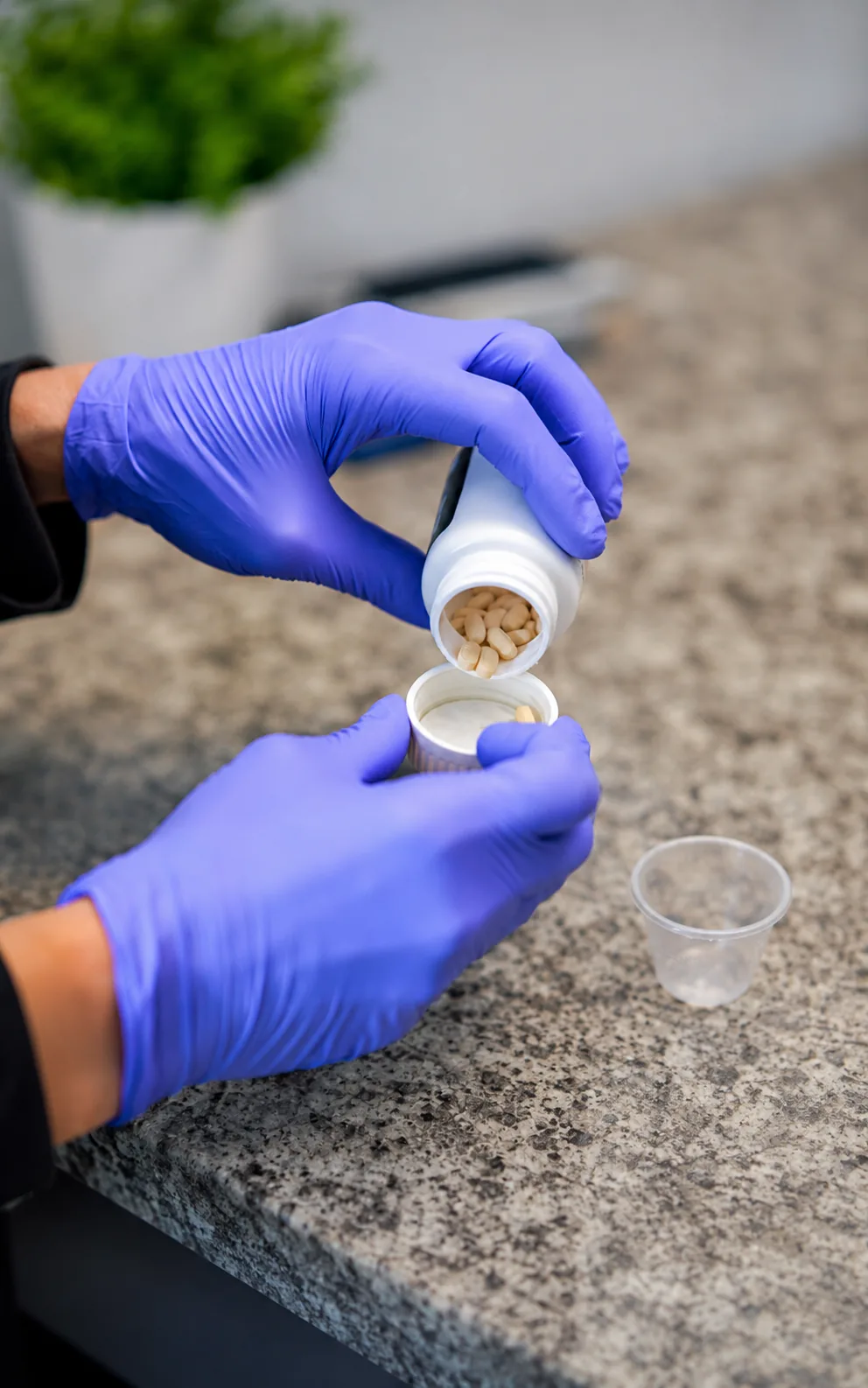
You want treatment that fits your day-to-day life
When recovery needs to support work, family, responsibilities, and daily routines while still providing medical structure and accountability.
CARF Accredited · Suboxone Treatment
With outpatient medical guidance, Suboxone may help adults with opioid use disorder reduce cravings.
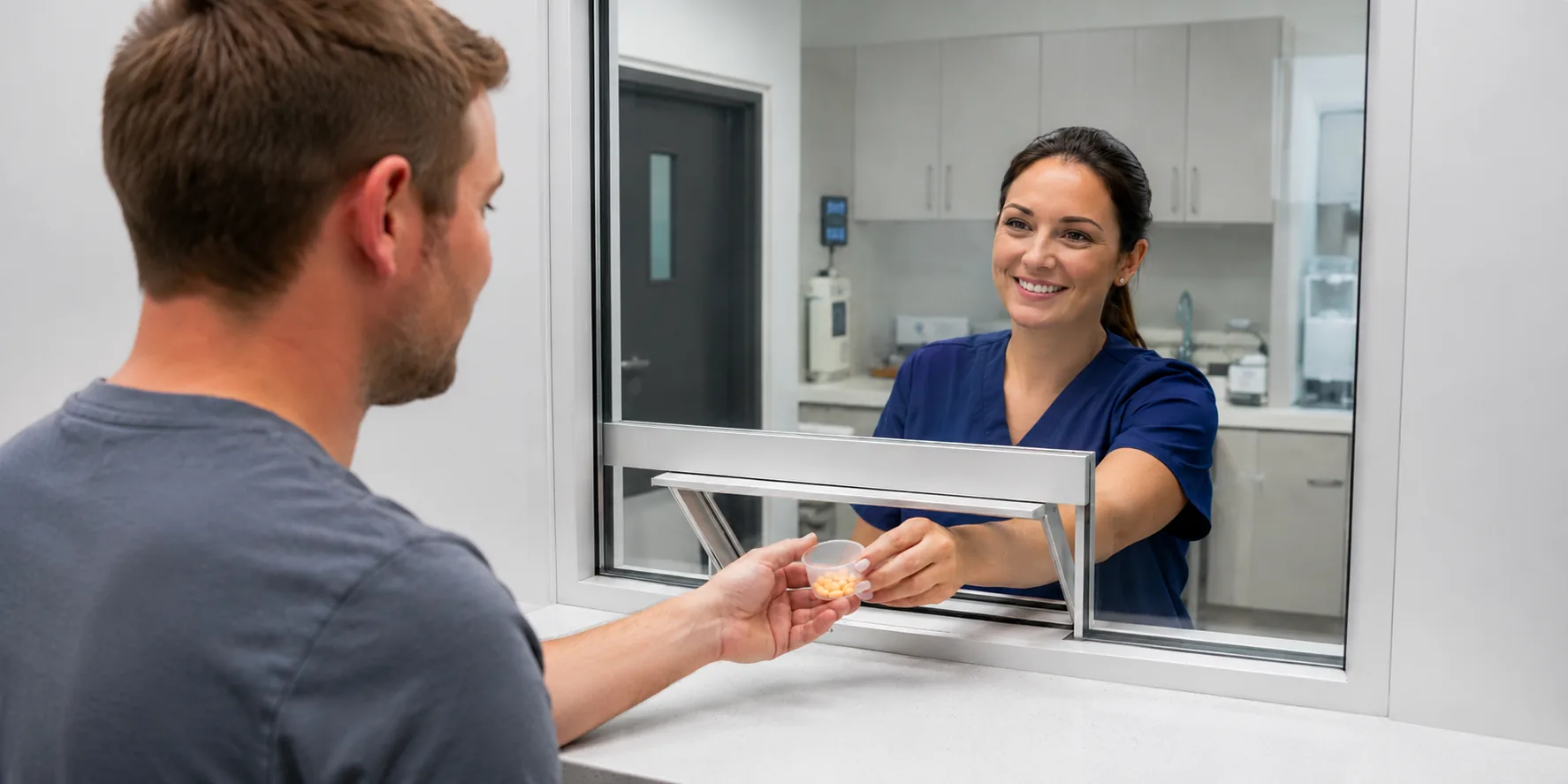
Suboxone treatment may help adults with opioid use disorder reduce cravings, ease withdrawal symptoms, and build stability through medical guidance, outpatient support, and recovery-focused care.
What is Suboxone
Buprenorphine and naloxone in one medication for opioid use disorder, medically supervised.
Suboxone combines buprenorphine and naloxone; under medical supervision it may help reduce cravings and withdrawal.
For adults struggling with opioid use disorder, Suboxone may help ease withdrawal and cravings, supporting engagement in treatment.
Suboxone is not one addiction replacing another — evidence-based treatment that can support recovery as prescribed, with regular review.
Each patient’s plan may pair Suboxone with counseling, group therapy, case management, peer support, and other recovery services.
Suboxone can be a valuable part of a comprehensive treatment and recovery plan.
Who it may help
Adults with opioid use disorder may benefit — a clinical review guides each decision.
When recovery must fit work, family, and routines with medical structure and accountability.
When urges to use keep interrupting progress, even when you are motivated to stop or cut back.
When aches, sweating, nausea, restlessness, anxiety, or insomnia make early recovery difficult.
When use is hard to control and you need a medically guided plan to help stabilize safely.
Starting Suboxone too early can cause discomfort — clinicians can guide safe timing.
When you want counseling, group therapy, monitoring, and recovery planning — not medication alone.
Suboxone may help reduce cravings and withdrawal with structure, counseling, and medical guidance.
Suboxone may support adults with opioid use disorder who need help managing cravings, withdrawal symptoms, and daily recovery. Treatment decisions are made through clinical review and medical guidance.
When recovery needs to support work, family, responsibilities, and daily routines while still providing medical structure and accountability.
When the urge to use keeps interrupting your progress, even when you are motivated to stop or cut back from opioids.
When symptoms like body aches, sweating, nausea, restlessness, anxiety, or insomnia make it difficult to get through the first stages of recovery.
When opioid use has become difficult to control and you need a medically guided plan to help stabilize safely and move forward.
Suboxone must be started at the right time to avoid discomfort. A clinical team can help determine when you are ready and guide the process.
When you are looking for more than medication alone — including counseling, group therapy, support, monitoring, and recovery planning.
Suboxone treatment may help reduce cravings and withdrawal symptoms while giving patients the structure, counseling, and medical guidance needed to keep moving toward recovery.
Suboxone treatment may help adults with opioid use disorder manage cravings, reduce withdrawal symptoms, and begin recovery with medication support that can fit into daily routines, work, family responsibilities, and ongoing clinical care.
Suboxone may help lower opioid cravings so patients can focus more clearly on recovery, treatment goals, and rebuilding daily stability.
When started at the right time under clinical guidance, Suboxone may help reduce uncomfortable withdrawal symptoms and support a safer transition into treatment.
Suboxone treatment may offer a practical option for adults who need medication support while continuing work, family responsibilities, and outpatient care.
With cravings and withdrawal better managed, patients may be more able to participate in counseling, group therapy, case management, and long-term recovery planning.
Benefits of Suboxone treatment
Cravings and withdrawal may ease — medication support can fit daily life and clinical care.
Four Ways Suboxone May Help
Suboxone may help lower opioid cravings so patients can focus on recovery goals and rebuilding daily stability.
Started at the right time under clinical guidance, Suboxone may help ease withdrawal and support a safer transition.
Suboxone may offer a practical option for adults needing medication support while continuing work, family, and outpatient care.
With cravings and withdrawal better managed, patients may engage more in counseling, group therapy, and long-term recovery planning.
A guided, supportive path that begins with an assessment and continues through ongoing care, with the team alongside you at every step.
Patients meet with the care team for an evaluation to review opioid use history, current symptoms, health needs, and treatment goals.
A medical provider reviews whether Suboxone is appropriate and helps determine a safe treatment approach.
Suboxone is introduced through a structured outpatient plan with monitoring, follow-up, and ongoing support.
Patients may participate in counseling, group therapy, case management, peer support, and other services that support long-term recovery.
The care team continues to monitor progress, adjust the treatment plan when appropriate, and support stability over time.
HOW TREATMENT WORKS
A guided path from assessment through ongoing care, with the team alongside you at every step.
Use the previous and next buttons, step indicators, or left and right arrow keys to view the five treatment steps.
Patients meet the care team to review opioid use, symptoms, needs, and goals.
A medical provider reviews whether Suboxone is appropriate and safe.
Suboxone begins on an outpatient plan with monitoring and follow-up.
Care may include group therapy, peer support, and more.
The team monitors progress, adjusts the plan when appropriate, and supports stability.
Suboxone treatment can be paired with supportive services based on each patient’s needs. Care plans may include counseling, structured outpatient support, psychiatric care, and recovery-focused services.
Structured group therapy and recovery support for adults who may benefit from added accountability, coping skills, and clinical support.
Individual and group support to address opioid use, mental health needs, relapse prevention, and long-term recovery goals.
Support for patients experiencing depression, anxiety, trauma, or other mental health symptoms alongside opioid use concerns.
Help with coordination, resources, appointments, documentation, benefits, referrals, and stability-related needs.
Support from people who understand the recovery process and can provide encouragement, connection, and practical guidance.
Assistance helping patients stay connected to treatment and attend scheduled care when transportation is a barrier.
Suboxone care may include counseling, structured outpatient support, psychiatric care, and recovery-focused services as needed.

Structured group therapy with added accountability and coping skills.
Addressing opioid use, relapse prevention, and long-term recovery goals.
Care for depression, anxiety, trauma, or other co-occurring symptoms.
Help with appointments, documentation, benefits, referrals, and stability-related needs.
Encouragement, connection, and guidance from people who understand recovery.
Helping patients attend care when travel is a barrier.
Suboxone is a medication used in the treatment of opioid use disorder. It contains buprenorphine and naloxone and may help reduce cravings and withdrawal symptoms when prescribed as part of a structured treatment plan.
Suboxone and methadone are both medications used to treat opioid use disorder, but they work differently and are not the same fit for every person. Suboxone may offer more flexibility for some patients, while methadone may be more appropriate for others depending on opioid use history, symptoms, safety considerations, and clinical needs.
Yes. Suboxone may be used as part of treatment for opioid use disorder involving fentanyl, heroin, oxycodone, hydrocodone, or other opioids. The care team reviews each person’s history, current use, withdrawal symptoms, and treatment goals to determine whether it is appropriate.
Timing matters with Suboxone. Starting it too soon after recent opioid use can cause uncomfortable withdrawal symptoms, so the care team provides medical guidance to help determine when it is clinically appropriate to begin treatment safely.
A clinical and medical assessment is needed to determine whether Suboxone is a good fit. The care team reviews opioid use history, withdrawal symptoms, cravings, medical needs, mental health, and recovery goals before recommending the most appropriate treatment approach.
You can contact AriseVida Care to begin the intake process, verify insurance, and schedule an assessment. From there, the team reviews your needs, explains the next steps, and helps determine whether Suboxone treatment is appropriate.
AriseVida Admissions Team
Here to help
Free·confidential·no pressure
Most major insurance accepted·Adult outpatient care · Phoenix, AZ
Suboxone treatment at AriseVida Care may support adults navigating opioid use recovery with clinical guidance, counseling support, and individualized outpatient care when clinically appropriate.