
Safe & Structured Environment
A calm, substance-free living environment with clear expectations designed to support day-to-day stability.
Supportive housing services
Safe, structured recovery living helps eligible adults build healthy routines, stay engaged in treatment, and work toward long-term stability.

Supportive housing at AriseVida Care offers safe, structured recovery living for adults working toward stability. A steady, supportive place to live can help patients stay engaged in treatment, build healthy routines, and focus on long-term recovery and wellness.
Supportive housing offers a safe, structured, recovery-focused place to live for adults who are engaged in treatment and working toward stability. At AriseVida Care, supportive housing is designed to help patients build steady routines, live alongside others who understand recovery, and stay connected to the care that supports long-term wellness.
Supportive housing is not a treatment facility, and it is not a replacement for clinical care. Housing placement is also never guaranteed — options depend on an individual assessment, program fit, and current availability. Our team helps patients explore housing options while keeping treatment at the center, so a stable place to live can support the recovery plan rather than replace it.

A calm, substance-free living environment with clear expectations designed to support day-to-day stability.
Living alongside others in recovery can help patients feel supported, understood, and less alone.
Structure and shared expectations may help patients stay consistent, accountable, and focused on recovery goals.
Supportive housing works best alongside care — helping patients stay engaged with MAT, counseling, and ongoing treatment.
Understanding Supportive Housing
Supportive housing offers a safe, structured, recovery-focused place to live for adults who are engaged in treatment and working toward stability.

A stable place to live. A steady daily routine. Support that stays connected.
A calm, substance-free living environment with clear expectations designed to support day-to-day stability.
Living alongside others in recovery can help patients feel supported, understood, and less alone.
Structure and shared expectations may help patients stay consistent, accountable, and focused on recovery goals.
Supportive housing works best alongside care — helping patients stay engaged with MAT, counseling, and ongoing treatment.
Important to know
Supportive housing is not a treatment facility, and it is not a replacement for clinical care. Housing placement is also never guaranteed — options depend on an individual assessment, program fit, and current availability.
At AriseVida Care, supportive housing is designed to help patients build steady routines, live alongside others who understand recovery, and stay connected to the care that supports long-term wellness. Supportive housing is not a treatment facility, and it is not a replacement for clinical care. Housing placement is also never guaranteed — options depend on an individual assessment, program fit, and current availability. Our team helps patients explore housing options while keeping treatment at the center, so a stable place to live can support the recovery plan rather than replace it.
Where a person lives can shape how recovery feels day to day. A stable, supportive home environment can make it easier to stay connected to care, keep healthy routines, limit everyday stressors, and feel less alone while working toward long-term wellness.
Stable housing is not treatment on its own — it works best when paired with MAT, counseling, case management, peer support, and ongoing care. When day-to-day living feels steadier, patients can put more of their energy into recovery.

A stable place to live can make it easier to keep appointments and stay engaged with treatment and ongoing care.
Consistent surroundings can help patients rebuild healthy day-to-day routines — rest, meals, and time for recovery.
A supportive, substance-free setting may help limit exposure to everyday stressors and triggers during recovery.
Living alongside others in recovery can help patients feel understood, connected, and less alone.
Why Stable Housing Matters in Recovery
Where a person lives can shape how recovery feels day to day. A stable, supportive home environment can make it easier to stay connected to care, keep healthy routines, limit everyday stressors, and feel less alone while working toward long-term wellness.
Recovery grows best on steady ground.
A stable place to live can make it easier to keep appointments and stay engaged with treatment and ongoing care.
Consistent surroundings can help patients rebuild healthy day-to-day routines — rest, meals, and time for recovery.
A supportive, substance-free setting may help limit exposure to everyday stressors and triggers during recovery.
Living alongside others in recovery can help patients feel understood, connected, and less alone.
Please note
Stable housing is not treatment on its own — it works best when paired with MAT, counseling, case management, peer support, and ongoing care. When day-to-day living feels steadier, patients can put more of their energy into recovery.
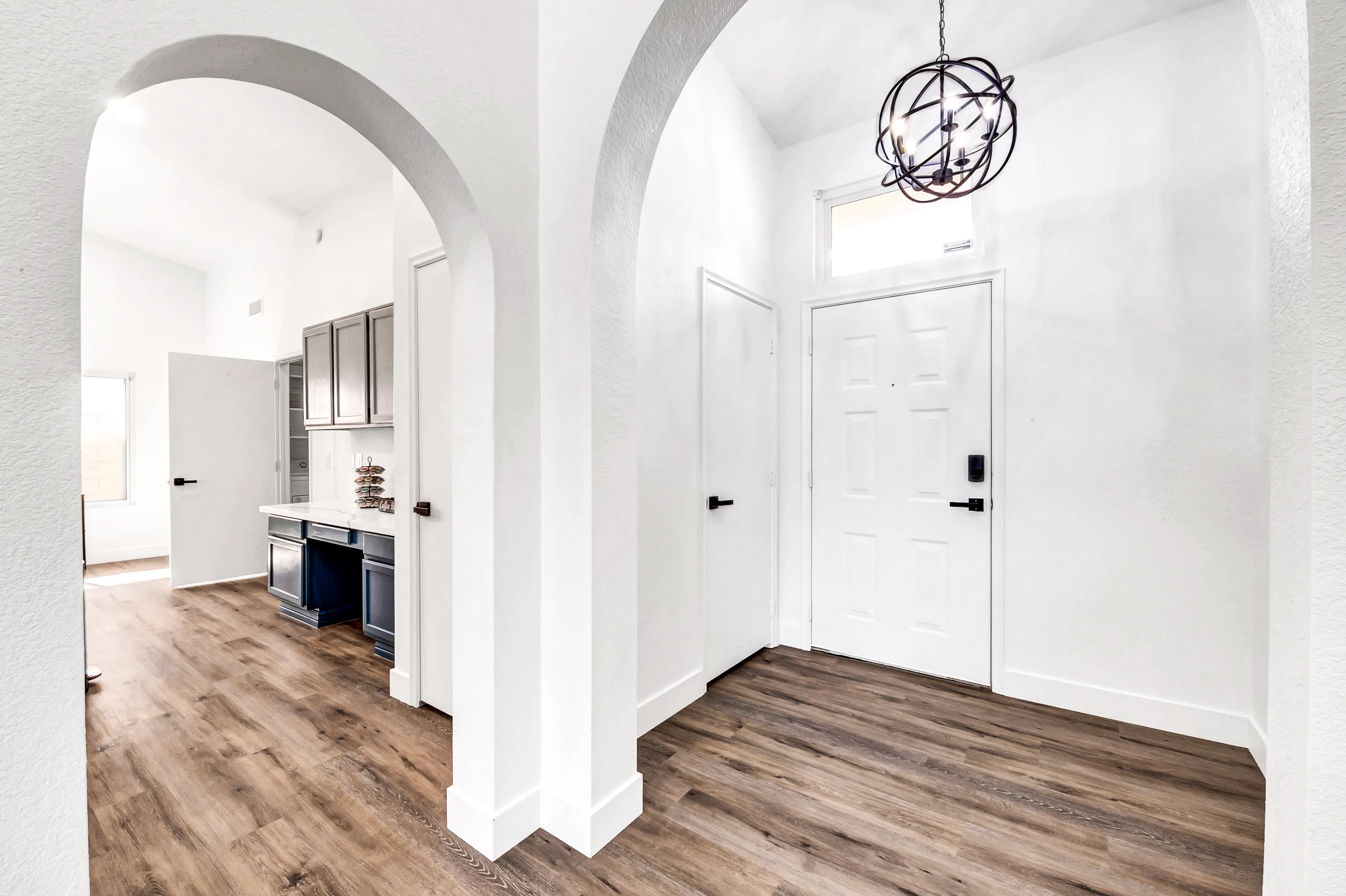
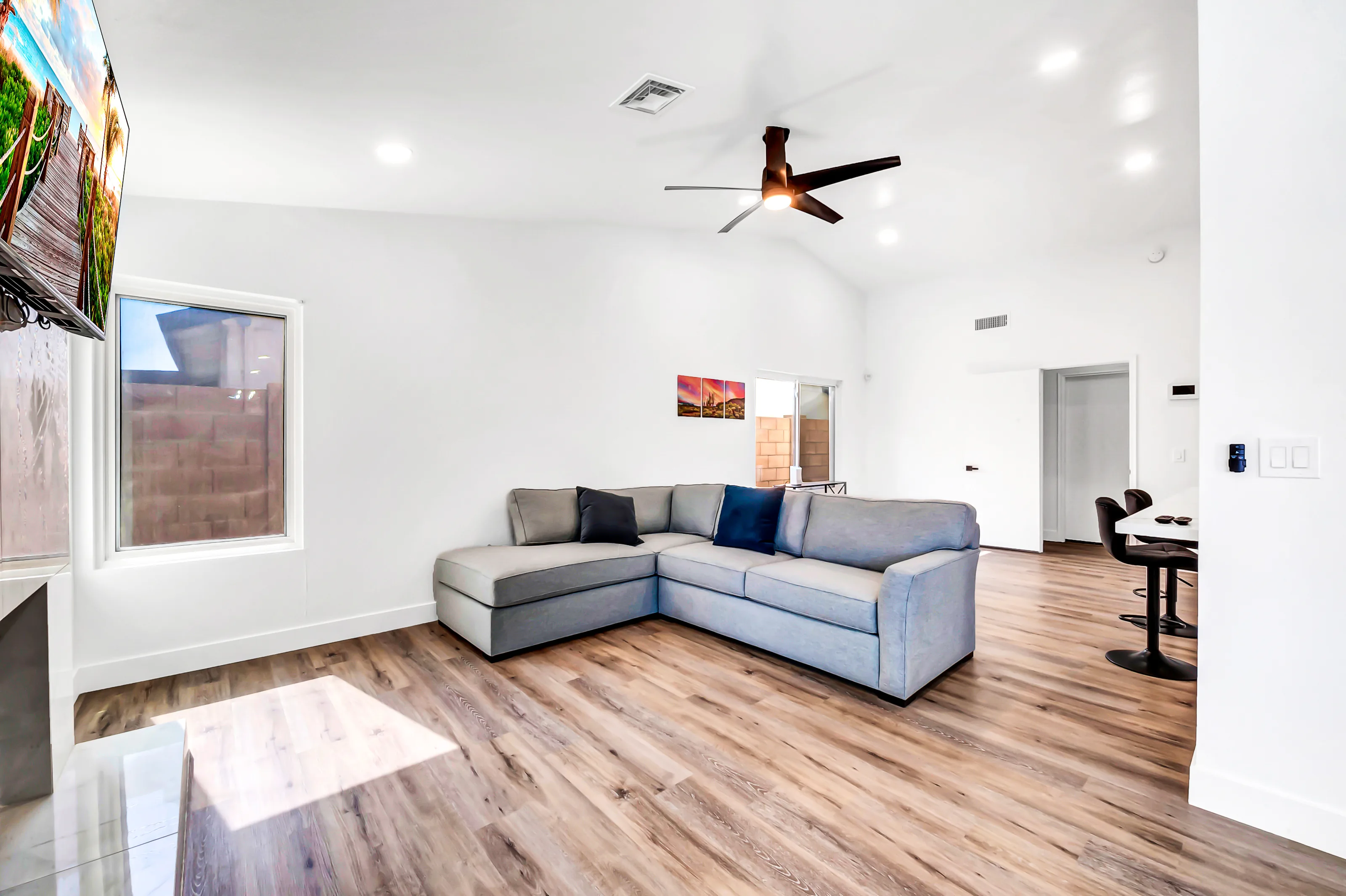
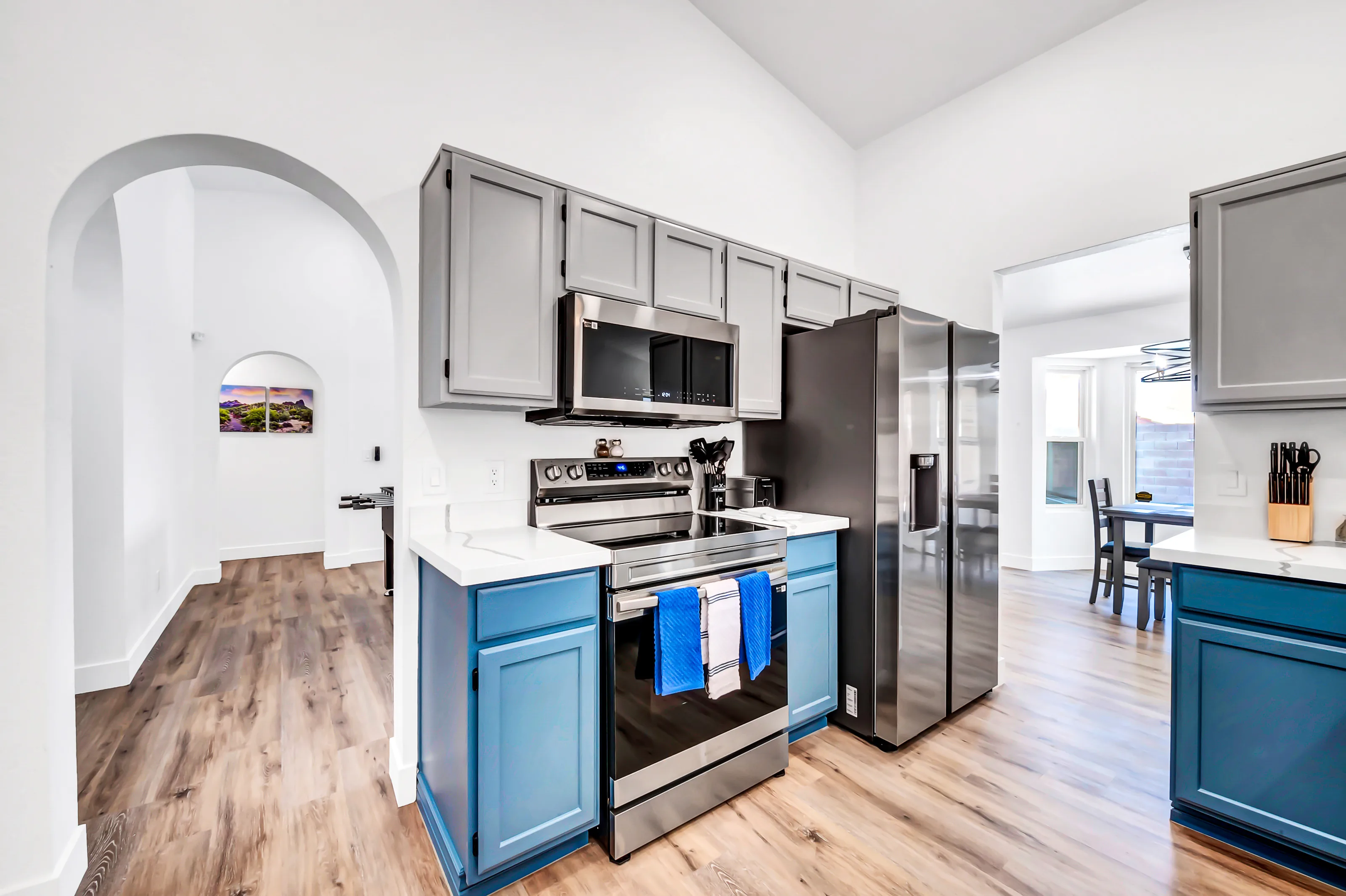
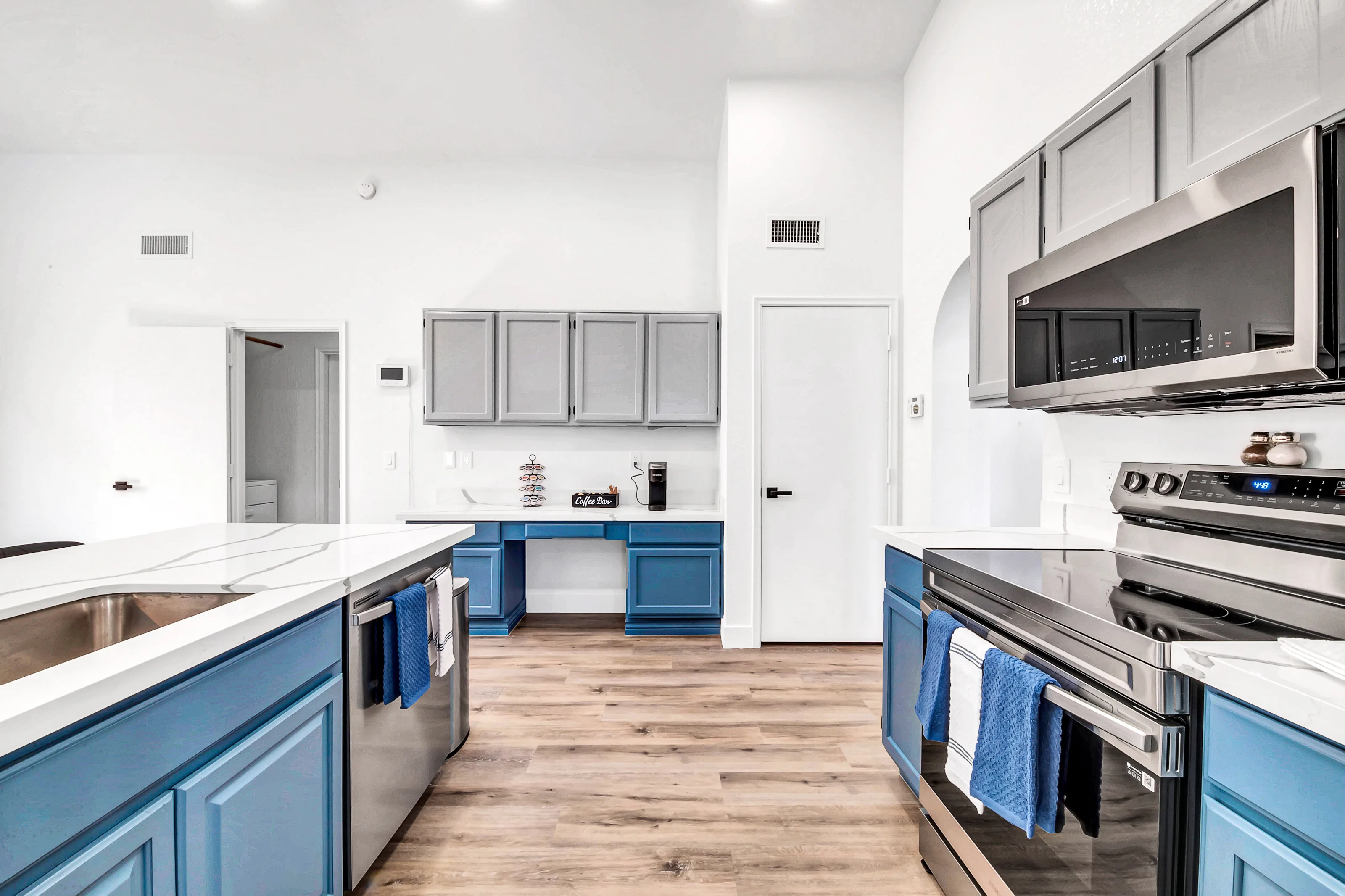
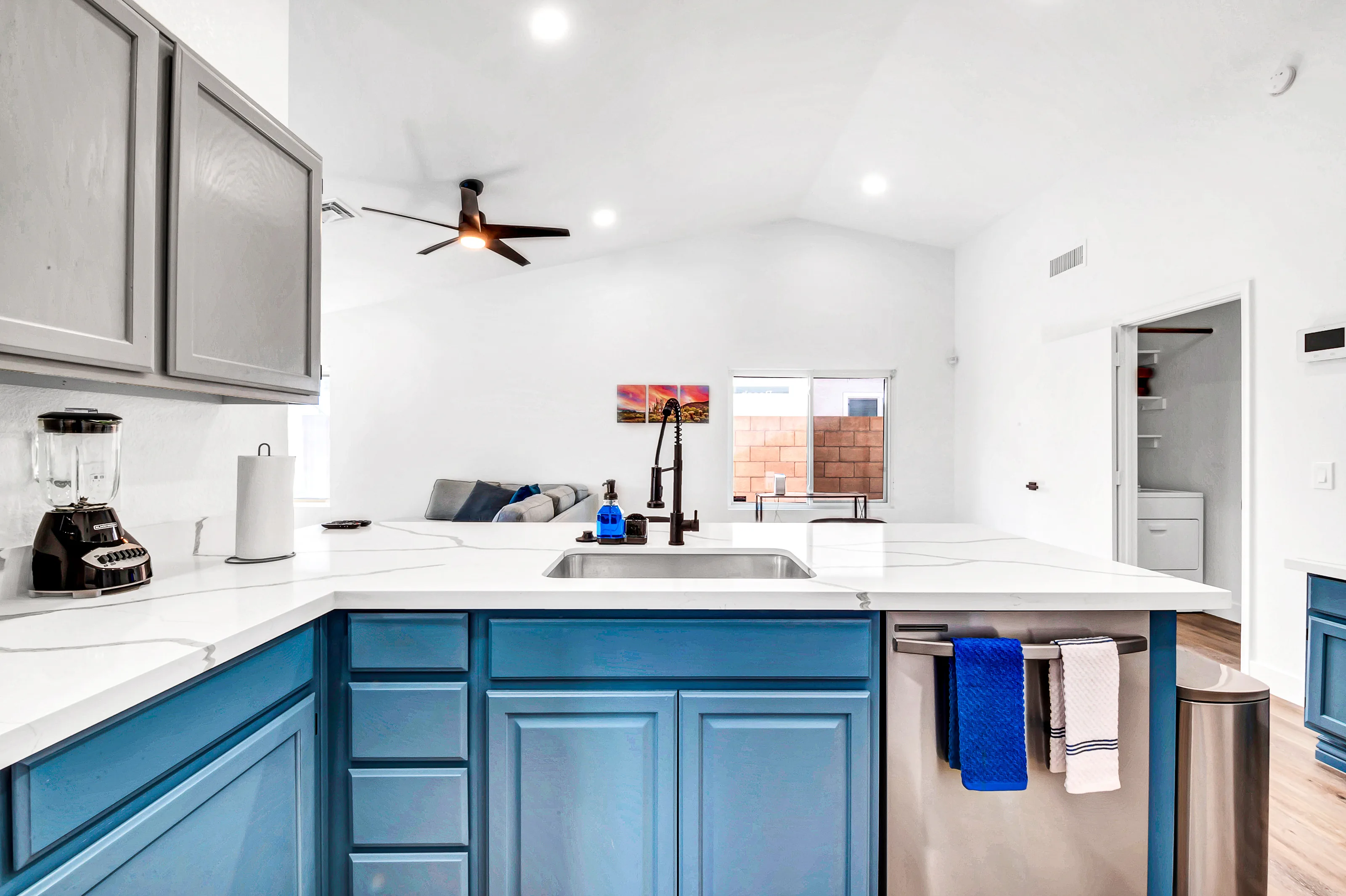
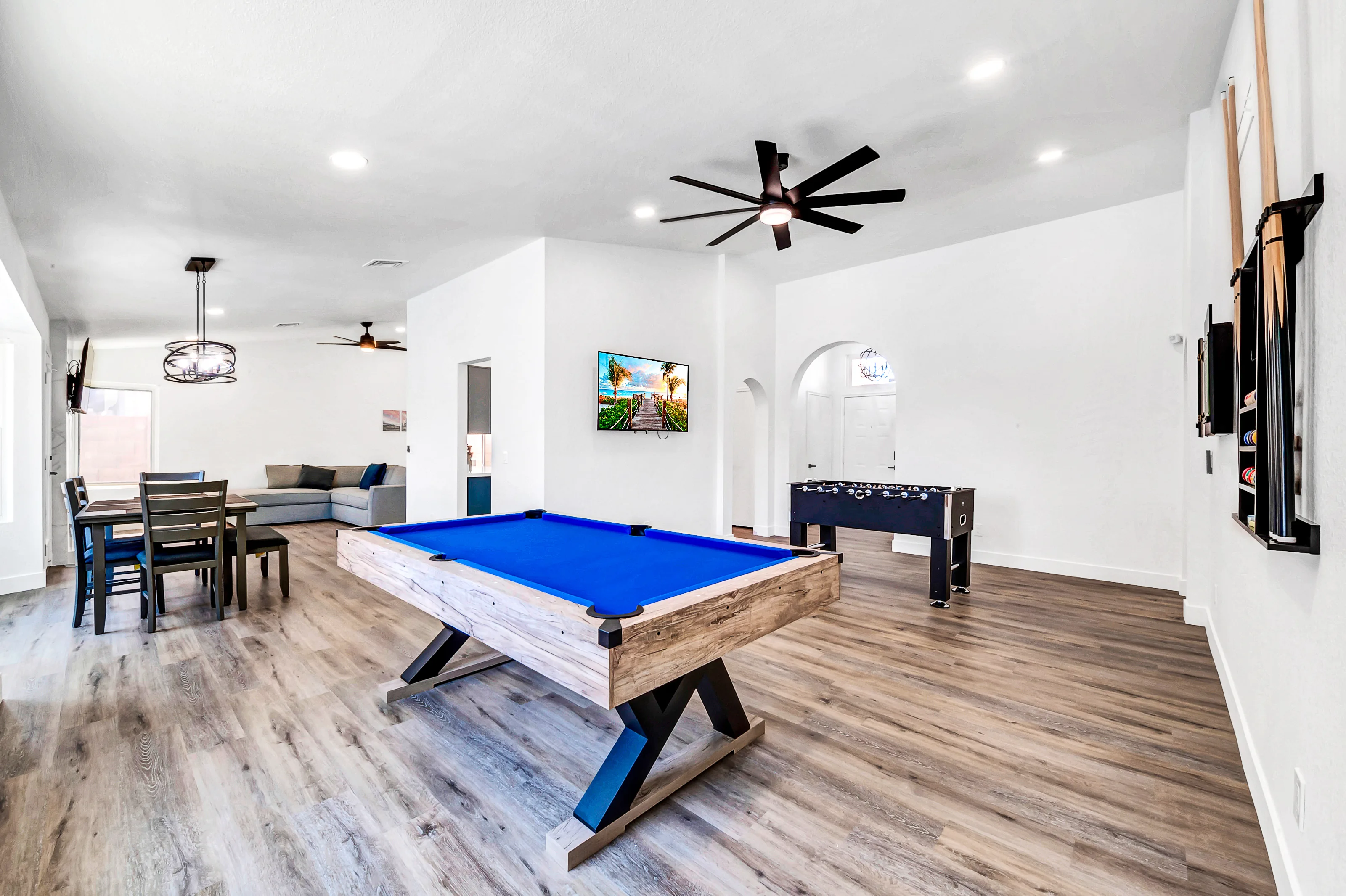
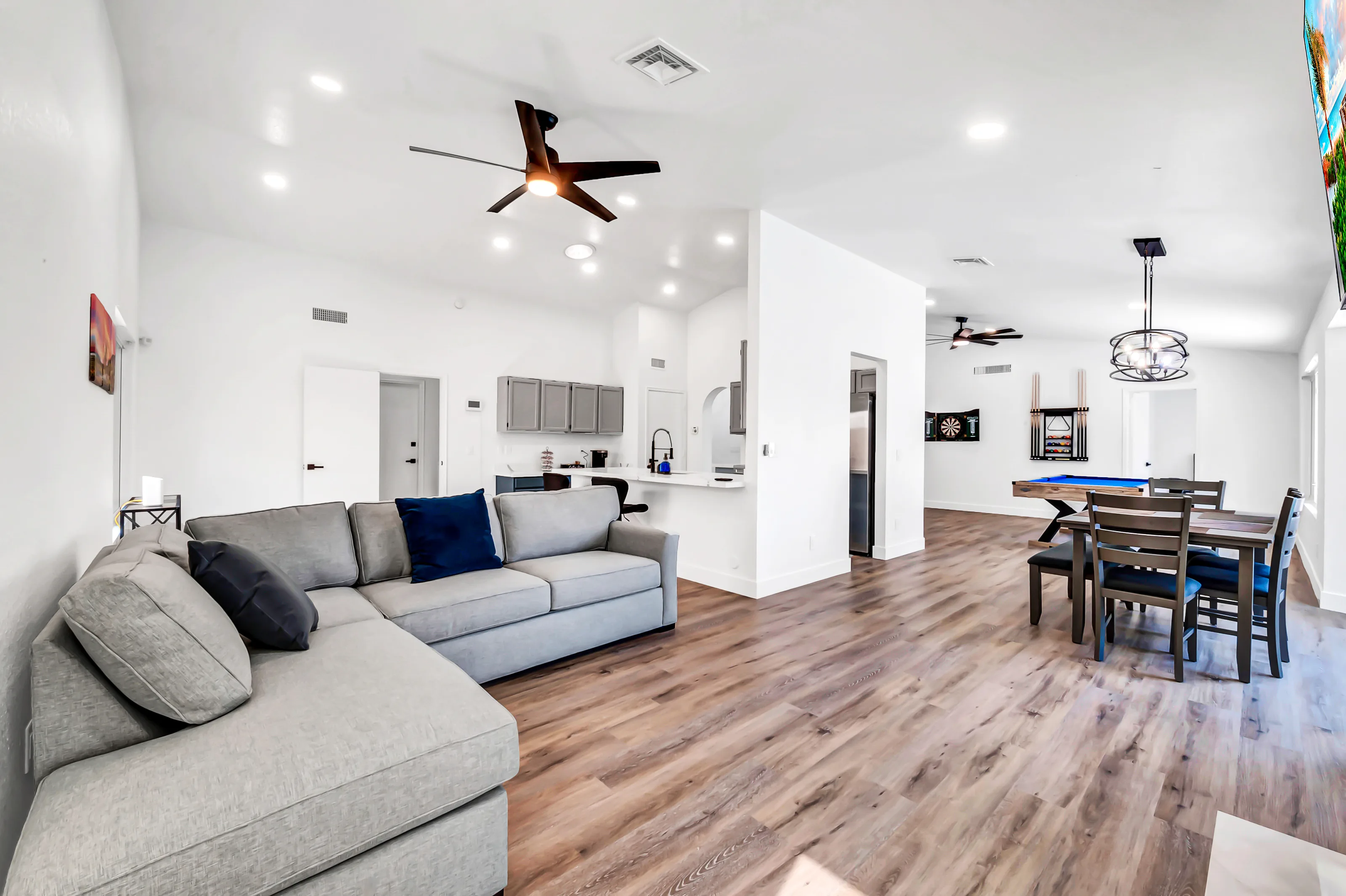
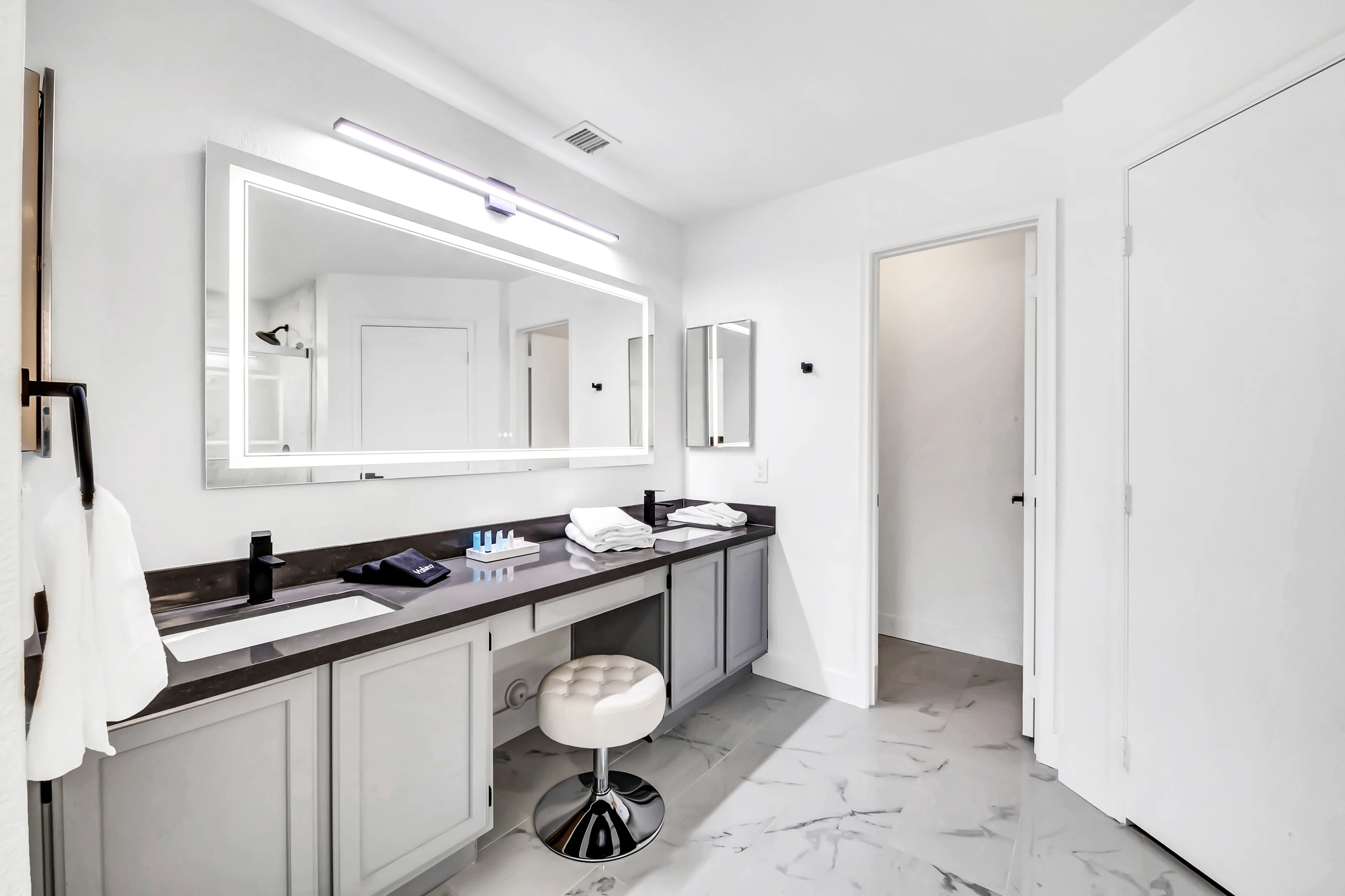
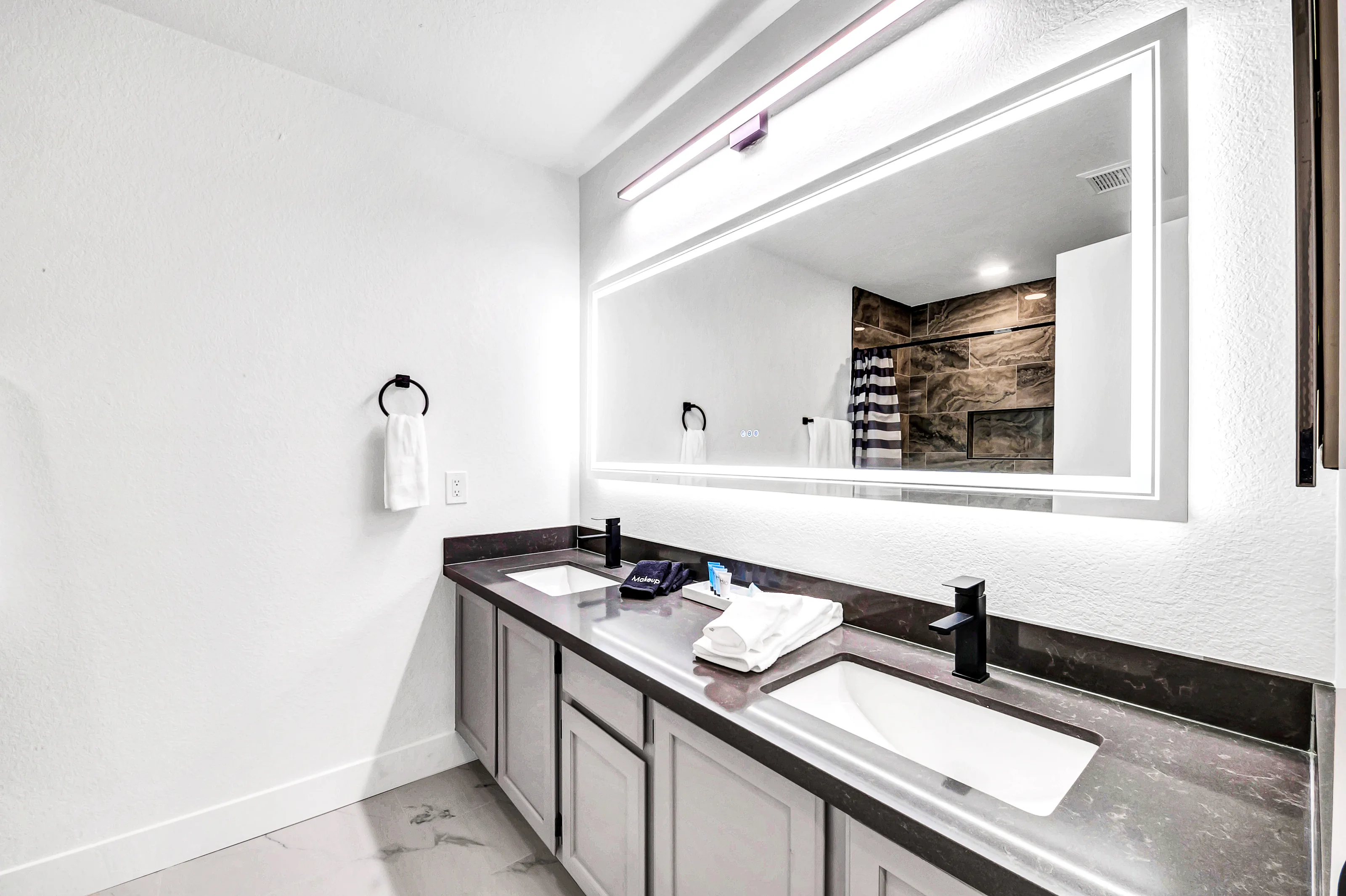
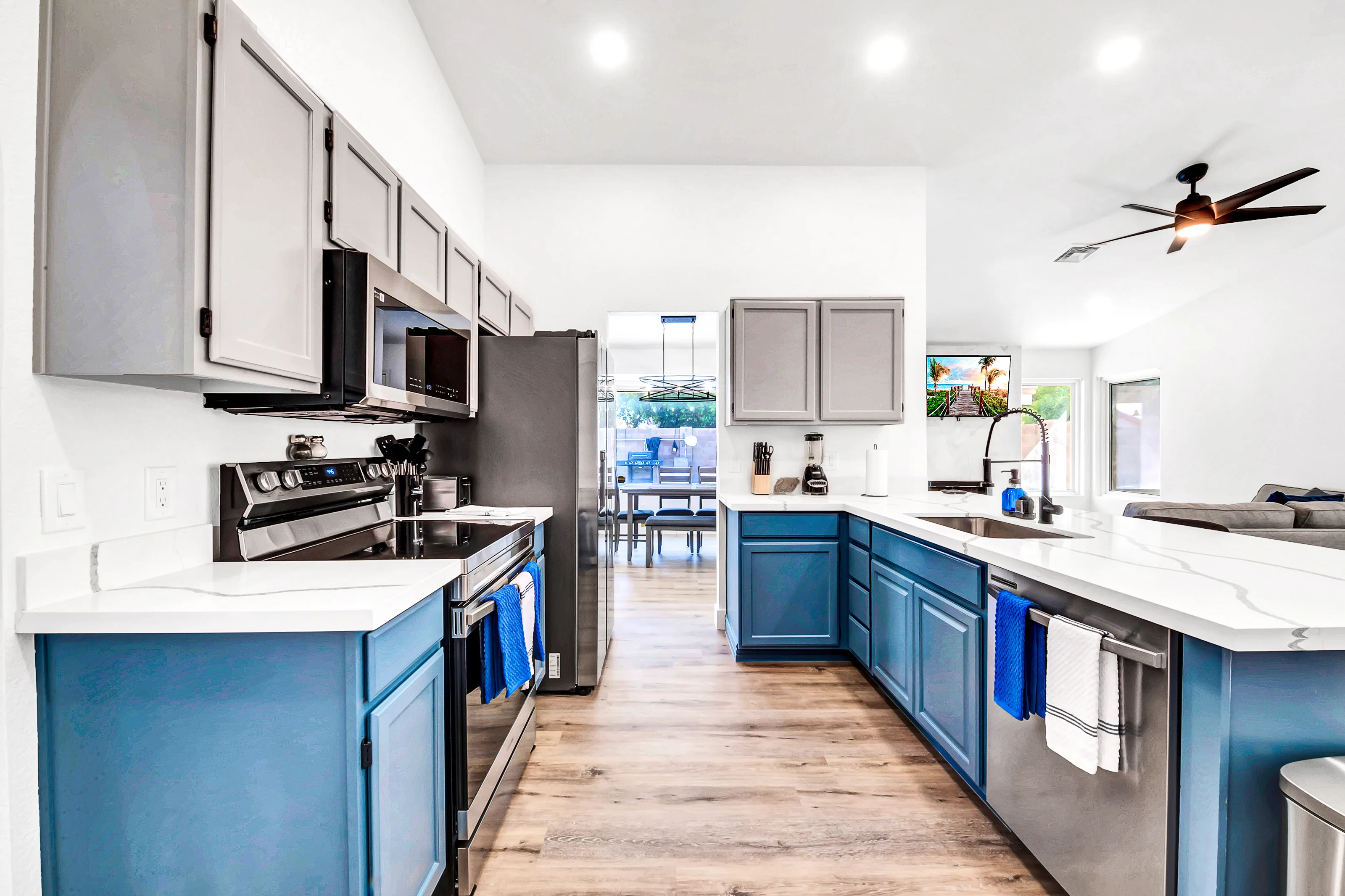
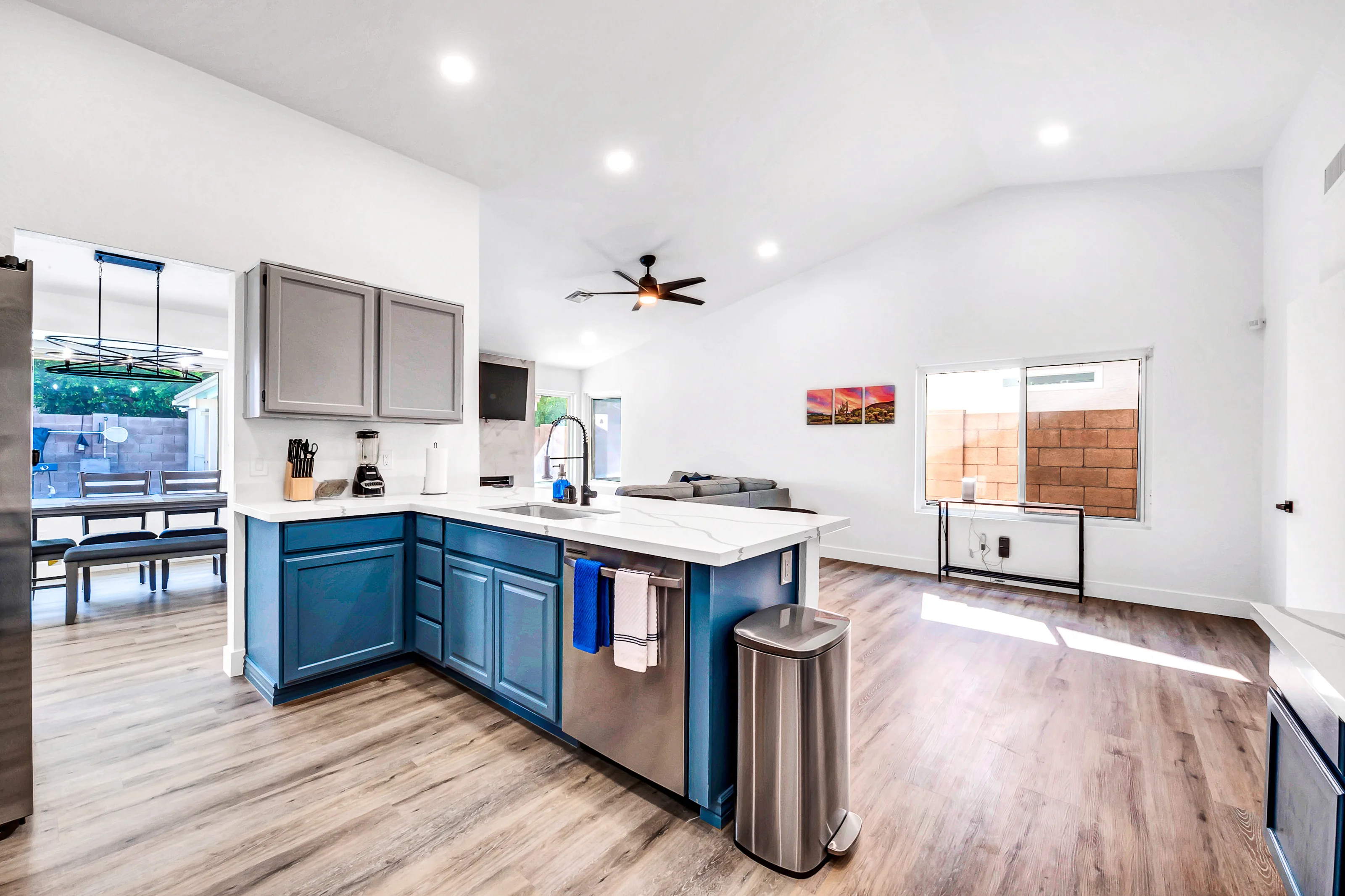
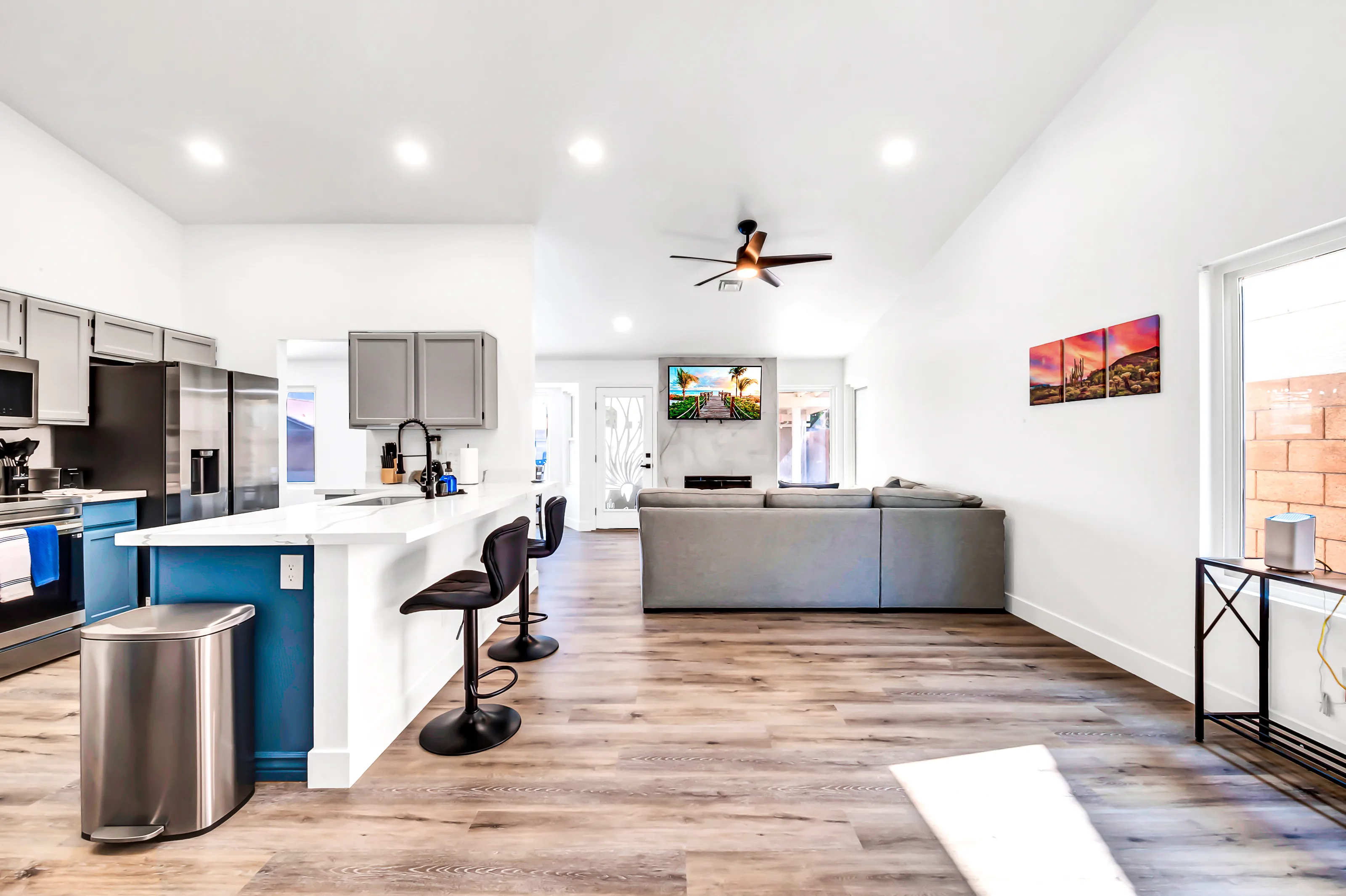
Take a look inside our first supportive housing home — a clean, welcoming, structured environment designed to support daily stability and recovery-focused living.

A calm, residential setting that feels like home from the moment you arrive.
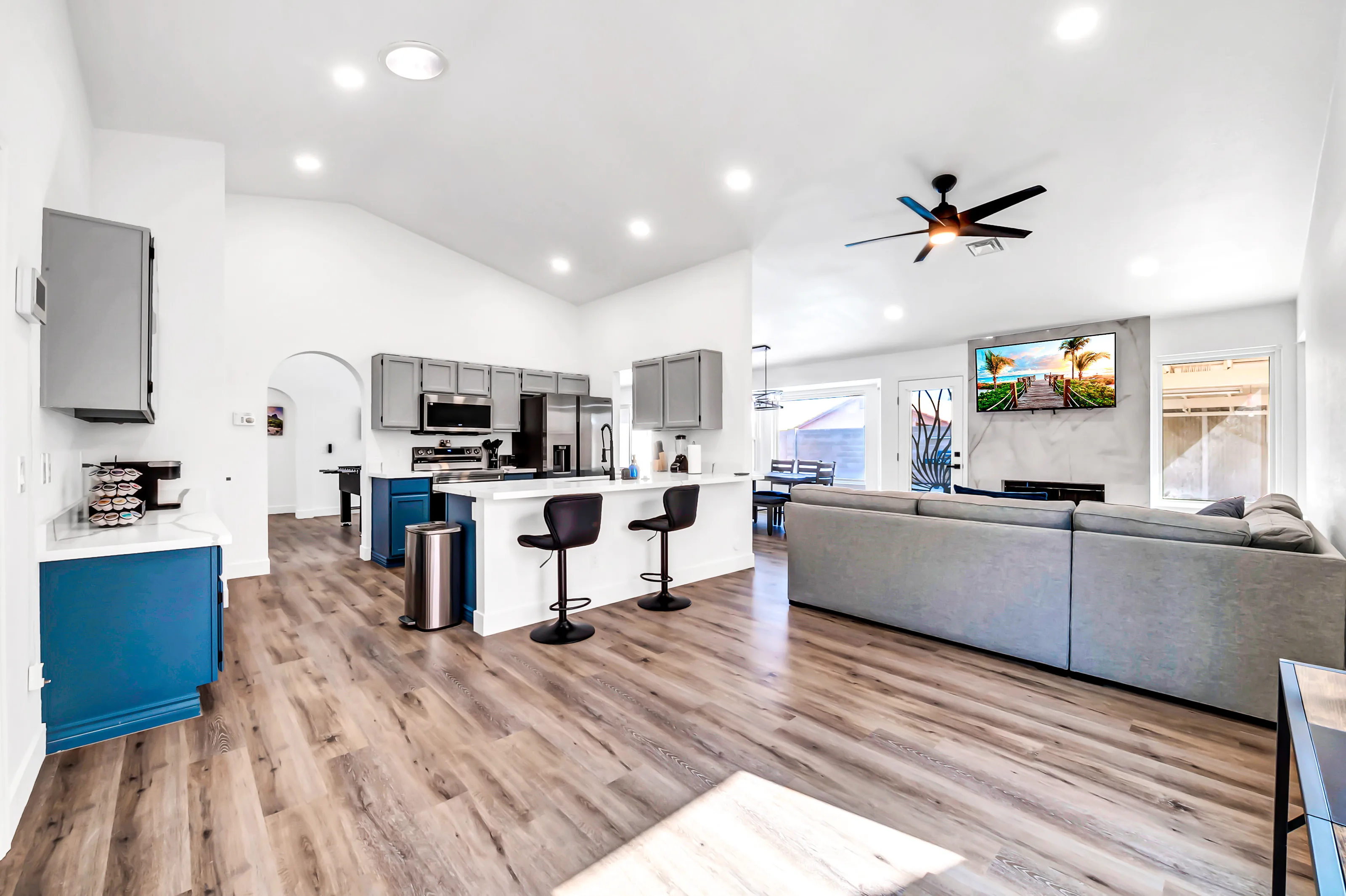
Bright, open living and kitchen areas built for steady routines and everyday connection.
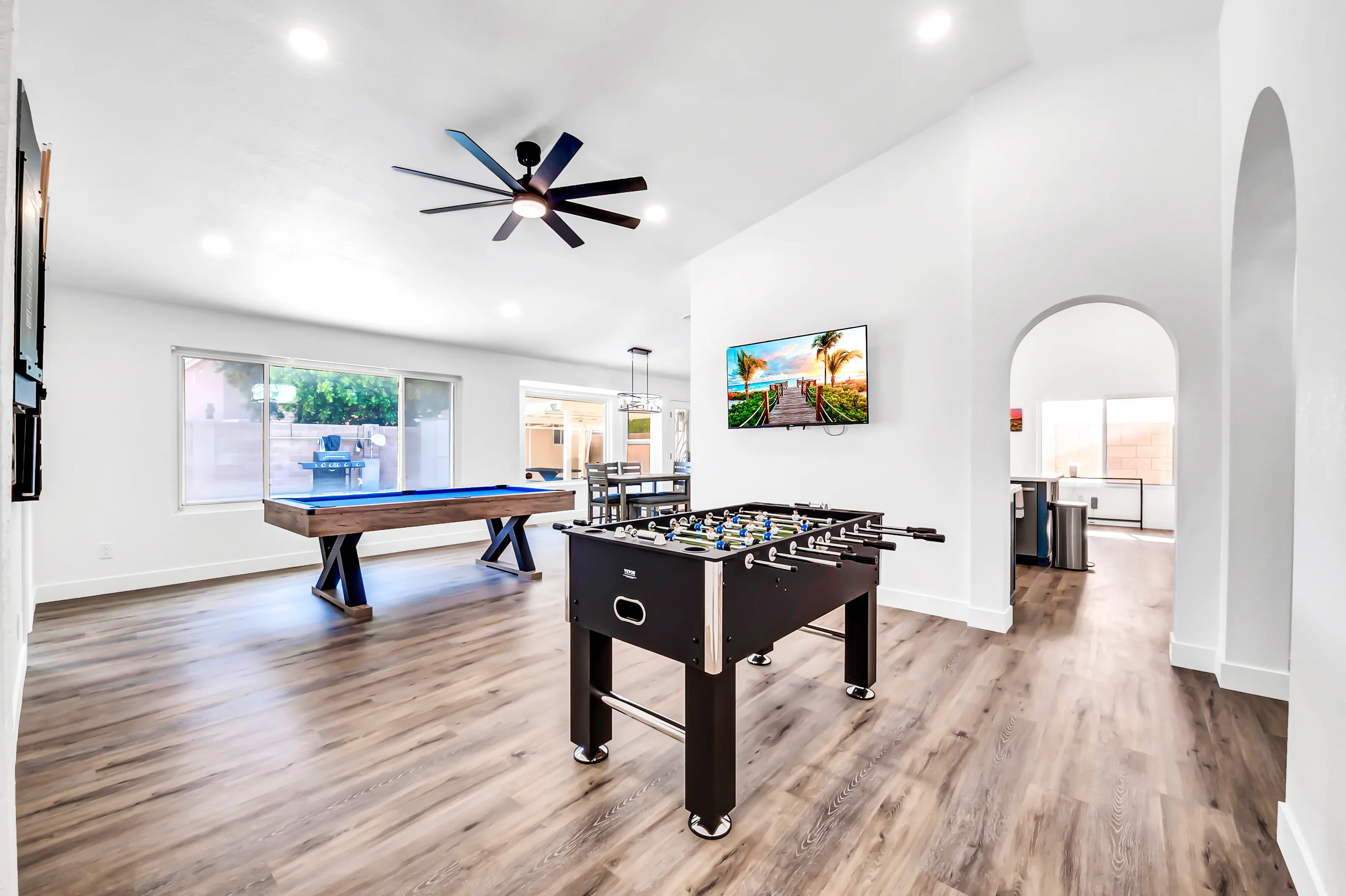
Shared spaces for connection, activity, and healthy downtime with others in recovery.
Our Homes
Take a look inside our first supportive housing home — a clean, welcoming, structured environment designed to support daily stability and recovery-focused living.
Eighteen photos of the home, one at a time
Swipe or use the buttons to move between the photos. Tap a photo to see it larger.
Who may benefit
Housing alone is not treatment and placement is never guaranteed — when appropriate, a structured home can support engagement with care.
Housing may offer a steady place to land while outpatient care continues.
A structured home can provide day-to-day consistency while new habits take root.
Housing support may help patients stay consistent with treatment.
When appropriate, a supportive home may help provide structure during reentry.
When home makes recovery harder, a substance-free, recovery-focused setting may offer a healthier alternative.
Structured housing alongside ongoing care may provide a steadier foundation.
Supportive housing may support adults at many different points in the recovery journey. It is not clinical treatment, and placement is never guaranteed — but when appropriate, a structured, recovery-focused home can provide steadiness that helps people stay engaged with care. You may recognize yourself, or someone you love, below.
Adults stepping down from inpatient or residential programs may benefit from a steady place to land while continuing outpatient care.
In early recovery, steady routines matter. A structured home environment can provide day-to-day consistency while new habits take root.
Patients engaged in MAT or IOP who lack a stable place to live may find that housing support helps them stay consistent with treatment.
Adults returning to the community can face real barriers. When appropriate, a supportive home may help provide structure during reentry.
When a current living situation makes recovery harder, a substance-free, recovery-focused setting may offer a healthier alternative.
Anyone working through treatment who needs a steadier foundation may benefit from structured housing alongside ongoing care.
A clear, human process — from the first conversation to long-term planning. Housing is never guaranteed, but when supportive housing is a fit, every step is designed to feel simple and supportive.
It starts with a conversation — about needs, treatment goals, the current living situation, and the support options that may be available.
The team reviews whether supportive housing may be appropriate for the person’s recovery plan — and whether space is currently available.
If supportive housing is a fit and a space is available, new residents are welcomed and oriented to the home, its expectations, and shared responsibilities.
Residents share a stable, structured living environment while staying connected to treatment, case management, peer support, and other services.
As stability grows, the team supports planning for next steps — continued care, greater independence, and long-term stability.
HOW IT WORKS
Housing is never guaranteed, but when it’s a fit, each step aims to feel simple and supportive.
Use the previous and next buttons, step indicators, or left and right arrow keys to view the five housing steps.
A first conversation: needs, goals, and what may be available.
The team reviews if housing may fit the plan — and if space is open.
If it fits and space allows, new residents learn house expectations.
Residents share structured living, staying connected to treatment.
As stability grows, the team helps plan care and independence.
Housing is most supportive when it works alongside treatment — a steady home base, not a treatment facility, and never housing alone. When appropriate, residents stay connected to the services below as part of their individual care plan; no single plan includes every service.
Structured housing can support consistent attendance and engagement with IOP programming.
A steady home can help residents keep daily routines while staying connected to MAT services when clinically appropriate.
A stable living environment can make it easier to participate in individual, group, or family counseling.
Residents may stay connected to psychiatric evaluation and medication management when it is part of their care plan.
Case management can help with coordination, resources, appointments, benefits, and transition planning.
Peer support can offer encouragement, lived-experience guidance, and connection throughout recovery.
A home base alongside treatment — not a treatment facility, never housing alone; care plans vary.
Structured housing can support consistent attendance and engagement.
Routines can continue, with connected care when clinically appropriate.
Joining individual, group, or family sessions can be easier.
Care plans may include continued evaluation and medication management.
Help with coordination, resources, appointments, benefits, and transition planning.
Encouragement, lived-experience guidance, and connection throughout recovery.
Supportive housing is a structured, recovery-supportive living environment — a stable, substance-free place to live for adults working toward recovery while staying connected to treatment and support services. It is not a treatment facility, and the home itself does not provide clinical care. If you think supportive housing may be a fit, you can complete the Supportive Housing Inquiry Form so our team can review next steps with you.
Supportive housing may be appropriate for adults who need structure, stability, and support while participating in care — for example, people stepping down from residential treatment or engaged in outpatient services. Every situation is reviewed individually, and placement is based on fit and availability rather than automatic qualification. To help our team understand your situation, a good place to start is the Supportive Housing Inquiry Form.
Supportive housing is designed to work alongside treatment and recovery support — residents stay engaged with their recovery plan, and the home works best when paired with services like MAT, counseling, case management, or peer support. What that looks like depends on each person’s needs and is reviewed individually. The Supportive Housing Inquiry Form is the best next step if you would like to talk through how housing and care could work together.
Residents are expected to follow house guidelines — respecting housemates and shared spaces, maintaining sobriety expectations, taking part in shared responsibilities, and staying engaged with their recovery plan. These expectations are what keep the home safe, steady, and supportive for everyone living there. If you would like to learn whether the environment could be a fit for you, you can begin by completing the Supportive Housing Inquiry Form.
Costs and coverage can vary depending on each person’s situation and the options available at the time. Our team can review costs, coverage, and available options with you during the intake or referral process. To have the team look at your specific situation, complete the Supportive Housing Inquiry Form and we will follow up from there.
The best first step is to complete the Supportive Housing Inquiry Form — our team will review fit, availability, and options, and follow up with you personally. If you would rather talk it through first, you can also call our admissions team during clinic hours at (602) 899-1229. Housing is never guaranteed, but our team can help you understand the options that may be available.
AriseVida Admissions Team
Here to help
Free·confidential·no pressure
Most major insurance accepted·Adult outpatient care · Phoenix, AZ
Call our admissions team during clinic hours, text us 24/7, or complete the Supportive Housing Inquiry Form, and our team will review fit, availability, and next steps with you. Housing is never guaranteed — but understanding your options is a real first step.