



Peer Support and Clinical Care: Different Roles, Shared Recovery Goals
Understanding who does what can help you ask for the right kind of support and take an active role in your recovery.
Treatment Options
A useful treatment schedule starts with an honest look at the rest of your week.

Thinking about an Intensive Outpatient Program often brings a very practical question: How would treatment fit into my life? Work, family responsibilities, transportation, and other appointments do not disappear when someone decides to seek care.
A useful conversation about IOP should include those realities. The goal is to understand what participation would require and whether the proposed plan is appropriate for you—not to promise that every schedule can be accommodated.
Before speaking with a program, make a simple outline of your regular commitments. Include work hours, caregiving, transportation time, and appointments you already attend. Mark which commitments are fixed and which might be adjustable.
Then ask for the current program schedule and attendance expectations. Confirm whether assessment visits, individual appointments, or other services occur at separate times. Avoid building your plan around an old social post or assuming that one person's schedule will be yours.
A calendar can make a vague concern easier to explain: “I can arrange a ride in the morning, but I need to understand the return time,” is a question the team can discuss directly.
Getting to the building is important, but your plan should also consider the time before and after care. Ask what to expect during sessions, how breaks work, and whether you should bring anything. You can ask how group participation is introduced if you are nervous about speaking with people you have not met.
Consider a small routine that is realistic for you: checking tomorrow's schedule the evening before, keeping appointment details in one place, or setting aside time to write down questions. These are planning options, not program requirements or measures of how committed you are.
Tell the team if transportation, insurance questions, or another practical barrier could make attendance difficult. AriseVida Care offers transportation support for eligible IOP participants when appropriate and available, along with other support services. Availability must be discussed for your situation.
If a family member or friend is helping, be specific about the help you want. That might mean coordinating a ride or adjusting a shared responsibility. You decide what personal information you want to discuss with them; ask your treatment team about permissions for any care-related communication.
Ask whom to contact if your work hours change, a ride falls through, or you are struggling to follow the schedule. Find out how the team discusses attendance concerns and reviews your needs. Raising a problem gives the team a chance to discuss it with you; it does not mean every change can be made immediately.
Explore AriseVida's Intensive Outpatient Program, then contact our team with your questions. Understanding the actual expectations, available support, and clinical recommendations is the foundation for deciding what the next step should be.
This article is for educational purposes and is not a substitute for individualized medical advice, diagnosis, or treatment.
AriseVida Admissions Team
Here to help
Free·confidential·no pressure
Most major insurance accepted·Adult outpatient care · Phoenix, AZ
Speak with our team to ask questions, check coverage, and understand what care could look like — no obligation.
Keep reading

Understanding who does what can help you ask for the right kind of support and take an active role in your recovery.

Appointments, documents, transportation, and referrals can become a second workload. Case management focuses on making those next steps easier to navigate.
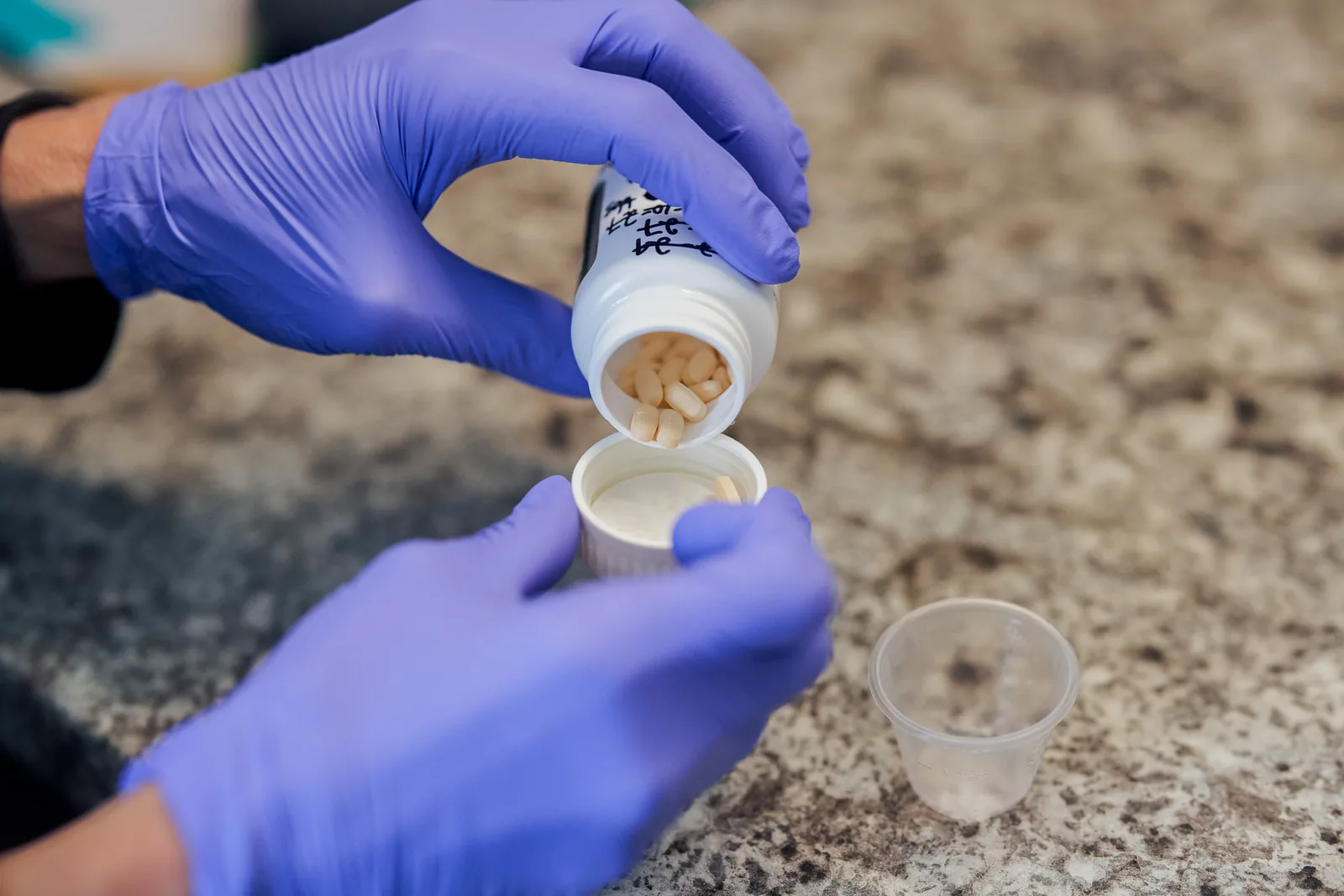
For many people starting their recovery journey, the idea of using medication during addiction treatment can feel confusing or even intimidating. However, Medication-Assisted Treatment (MAT) isn’t about replacing one substance with another.