



Making Room for IOP Alongside Everyday Life
A useful treatment schedule starts with an honest look at the rest of your week.
Treatment Options
Understanding who does what can help you ask for the right kind of support and take an active role in your recovery.

Recovery can involve more than one kind of relationship. A person may work with a clinician, a case manager, a peer support specialist, or several people at different points. The titles can sound similar when you are first exploring care, yet the roles have different purposes.
Knowing those differences can make it easier to say what you need, choose which questions to bring to whom, and understand how different supports may fit into your life.
Peer support draws on lived experience of recovery and training for a defined support role. SAMHSA describes peer support as a way to extend recovery support into everyday life. Peer workers can offer encouragement, help people identify personal goals, and connect them with resources while respecting the person's choices.
That shared perspective does not mean two people have identical experiences. You can decide what feels relevant to you and explain when an approach does not fit. A helpful conversation leaves room for your own priorities rather than treating another person's recovery path as a script you must follow.
Ask a program how its peer support service works and what training or credentials apply to the role. The title alone does not explain the service's boundaries or format.
Peer support and clinical care can complement one another. SAMHSA's Value of Peers explains that peer roles do not duplicate or replace the work of therapists, case managers, and other treatment team members.
Bring questions about diagnosis, prescribed medication, or a change in symptoms to an appropriately qualified clinician. A peer specialist's personal experience should not be treated as instructions to start, stop, or change a medication. Ask who on your care team handles the specific concern you have.
You do not need to dismiss one form of support to benefit from another. Different conversations can serve different needs.
Before meeting with a peer specialist, consider one situation in which you would like support. You might want help thinking through how to ask for assistance, finding a recovery community that feels comfortable, or preparing questions for an appointment. These are possible conversation topics, not a guarantee that every program offers the same activities.
Useful questions include: How often would we meet? What can we work on together? What information is shared with the rest of the team? What should I do if my needs fall outside this role?
You can also explain what respectful support looks like to you. Some people want time to talk before identifying a task. Others prefer to leave with a small, specific goal. Say which approach would be useful and revisit it as your needs change.
When exploring care, ask how peer support relates to other services instead of assuming it is automatically included. Confirm availability, eligibility, scheduling, and any coverage requirements for your situation.
AriseVida Care offers information about peer support for adults in recovery in Phoenix. Contact the team to ask how peer support may fit alongside the care you are considering. The goal is to understand your options and take a next step that makes sense for you.
This article is for educational purposes and is not a substitute for individualized medical advice, diagnosis, or treatment.
AriseVida Admissions Team
Here to help
Free·confidential·no pressure
Most major insurance accepted·Adult outpatient care · Phoenix, AZ
Speak with our team to ask questions, check coverage, and understand what care could look like — no obligation.
Keep reading

A useful treatment schedule starts with an honest look at the rest of your week.

Appointments, documents, transportation, and referrals can become a second workload. Case management focuses on making those next steps easier to navigate.
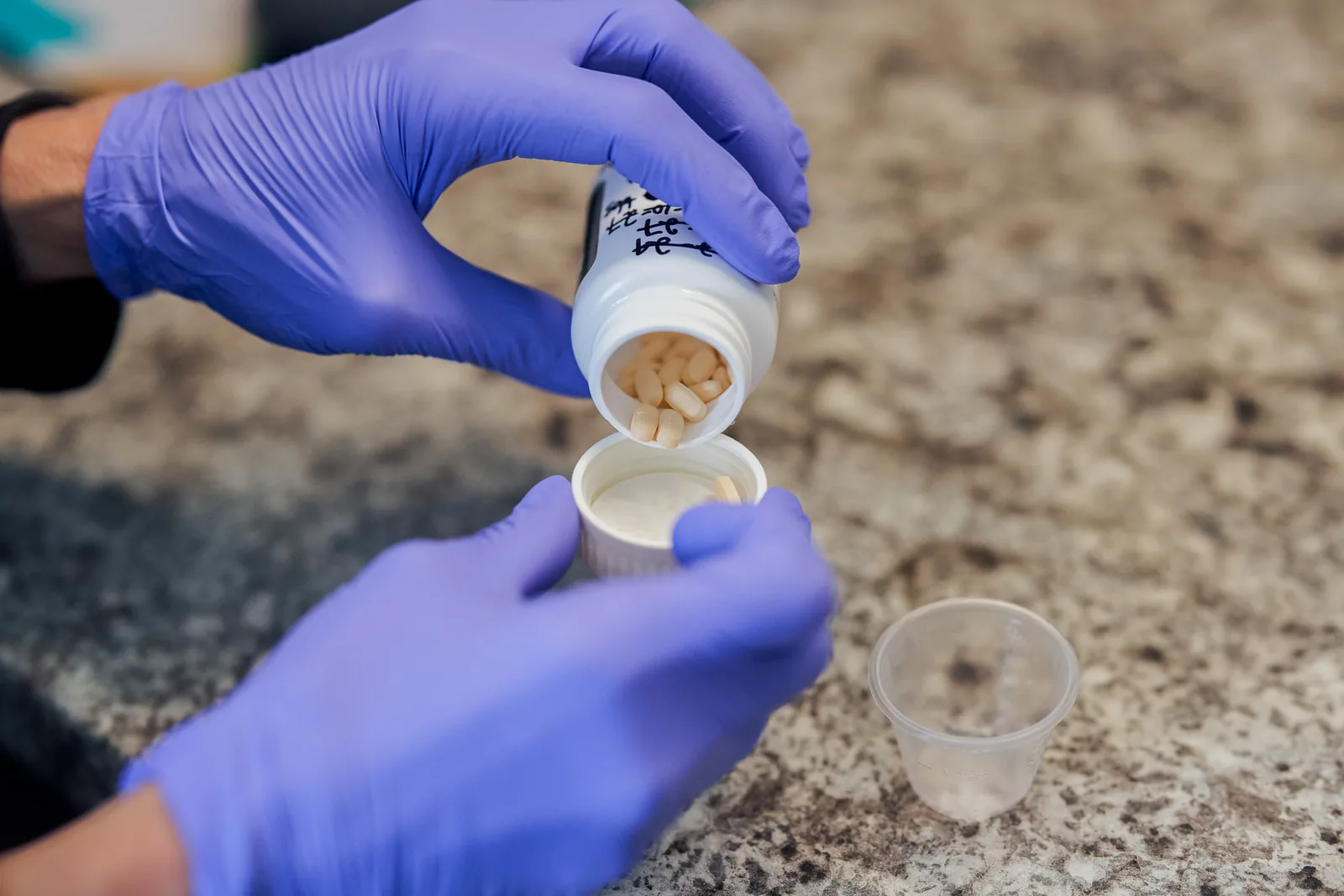
For many people starting their recovery journey, the idea of using medication during addiction treatment can feel confusing or even intimidating. However, Medication-Assisted Treatment (MAT) isn’t about replacing one substance with another.