

From 8 to 29 Beds: AriseVida Care Expands Supportive Housing
As the fourth quarter begins, AriseVida Care reflects on an increase of 21 supportive housing beds and the everyday stability that recovery requires.
Addiction Recovery
Preparedness starts with knowing what naloxone does, where to find reliable instruction, and how to respond to a suspected opioid overdose.
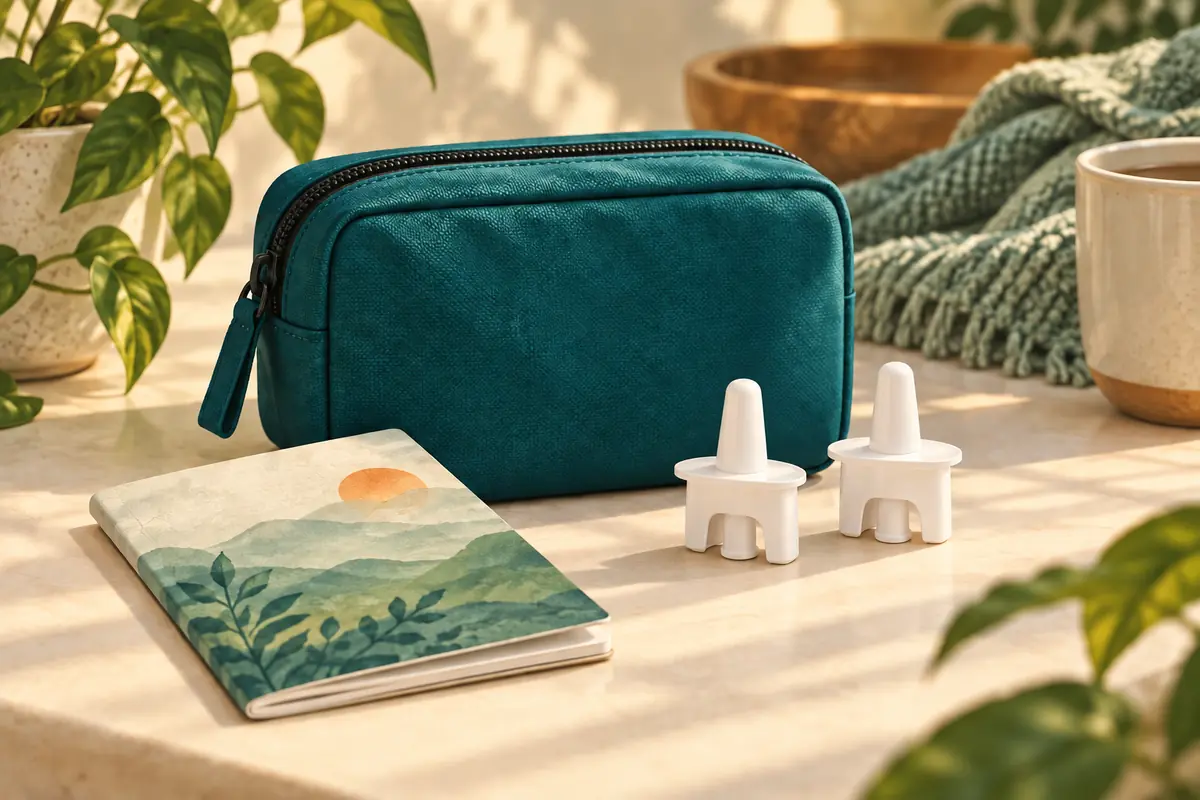
A conversation about overdose prevention can feel uncomfortable. It can also be a practical expression of care. Families, friends, and people receiving treatment do not need to wait for an emergency to learn where naloxone is kept or how to get reliable instruction.
Naloxone is a medicine that can reverse an opioid overdose. It is one part of an emergency response, not a replacement for medical help. This article offers a starting point for preparation and directs readers to public health guidance and qualified professionals.
According to the CDC, warning signs of an opioid overdose can include being unable to wake someone, slow or difficult breathing, and discolored lips or nails. If you suspect an overdose, call 911 immediately and give naloxone if available. Follow the product instructions and the emergency dispatcher's guidance, and stay with the person until help arrives. More than one dose may be needed.
Do not wait for a routine clinic callback or a reply to a website form during an emergency. Read the CDC's naloxone guidance before a crisis so the first time you see this information is not under pressure.
Preparation is easier to discuss when everyone has time to ask questions. Instead of beginning with assumptions about someone's behavior, start with the practical issue: “If an emergency happened, would we know what to do?”
Review the actual product with a pharmacist or another qualified professional. Ask for a demonstration or training resource appropriate to that product. A household conversation can cover who knows where the naloxone is, who can explain its use, and how someone would direct emergency responders to the location.
Choose a place and a routine for checking supplies together. Follow the product's storage directions and check its expiration date. Do not assume that an unopened package means everyone knows how to use it.
The CDC explains that naloxone is available over the counter. A pharmacist can discuss available products and their instructions. Local health departments may also be able to explain community distribution options; availability and cost can vary.
Questions to bring include:
You do not need to turn the conversation into an argument about blame. The immediate objective is to understand the equipment and emergency steps.
A safety conversation can sit alongside a broader discussion about treatment, mental health, and everyday support. It does not establish a diagnosis or determine which treatment a person needs.
For non-emergency questions about services in Phoenix, contact AriseVida Care. We can explain how to begin exploring care. For a suspected overdose, call 911 immediately.
Additional resource: CDC's Lifesaving Naloxone.
This article is for educational purposes and is not a substitute for individualized medical advice, diagnosis, or treatment.
AriseVida Admissions Team
Here to help
Free·confidential·no pressure
Most major insurance accepted·Adult outpatient care · Phoenix, AZ
Speak with our team to ask questions, check coverage, and understand what care could look like — no obligation.
Keep reading

As the fourth quarter begins, AriseVida Care reflects on an increase of 21 supportive housing beds and the everyday stability that recovery requires.

A clear next contact, an agreed follow-up, and practical coordination can carry recovery conversations beyond an awareness month.

September offers a reason to recognize recovery without expecting every person to share the same story, goals, or route to support.